It’s a question people keep coming back to, especially after realizing that work doesn’t always need an office. A lot of people start by browsing random listings, but sooner or later they wonder which companies actually support long-term remote work. If you’ve already explored options like Remote IT Jobs, you’ve probably noticed that some companies are built around remote work while others just allow it occasionally.
There isn’t a single list that stays the same forever. Companies change policies, roles open and close, and remote work itself keeps shifting. Still, some patterns show up again and again if you look closely at the remote job market.
Table of Contents
What companies offer remote jobs and how they actually operate
When people search for what companies offer remote jobs, they’re usually expecting a simple list. But the truth is, remote hiring companies work in slightly different ways depending on their structure.
Some are fully remote from day one. These are often called distributed companies. Everyone works from different locations, and there’s no central office. Others are hybrid. They have offices but allow work from home jobs depending on the role.
Then there are companies that started traditional but adapted over time. These might still prefer local employees, but remote employment is now part of their hiring strategy.
What stands out is how these companies handle communication. Most rely heavily on tools like Slack, Zoom, or internal dashboards. Work doesn’t slow down, it just shifts format. That’s why remote work feels normal inside these organizations even if it still feels new from the outside.
Types of companies with remote jobs you’ll see again and again
If you look at companies with remote jobs, you’ll notice they fall into a few common categories. Tech companies dominate, but they’re not the only ones.
Customer support companies hire remote chat agents and virtual assistants. Marketing agencies bring in remote writers, SEO specialists, and ad managers. Even education platforms now offer remote teaching roles.
The idea that only developers can work remotely isn’t really true anymore. Remote job companies list positions across industries, from design to HR to finance.

Still, tech companies remote jobs remain the most visible. They were early adopters, and they built systems that made remote work easier to scale.
A closer look at top remote companies today
Some names come up repeatedly when people talk about top remote companies. Not because they’re trendy, but because they’ve been doing this for years.
You’ll see companies like GitLab, Automattic, and Zapier mentioned often. They don’t just allow remote work, they rely on it. Their teams are spread across different countries, and their workflows are designed around asynchronous communication.
Other remote hiring companies like Shopify or HubSpot offer hybrid flexibility. They still maintain offices, but many roles are fully remote or location-independent.
Then there are platforms like Upwork or Fiverr. These aren’t employers in the traditional sense, but they connect freelancers with clients. For many people, that’s their entry point into online jobs.
Can beginners find remote work or is it mostly experienced roles
A lot of people assume remote work companies only hire experienced professionals. That’s partly true, but not entirely.
There are entry-level roles, especially in customer service, data entry, and moderation. These don’t always require advanced skills. What they do require is reliability and communication.
If you’ve ever asked yourself can i learn UX without UI, you’re probably already thinking about switching fields. That’s where remote work becomes interesting. You can start learning a skill online and eventually apply for remote roles without relocating.
The path isn’t instant. It takes time to build skills and maybe a small portfolio. But remote job employers do hire beginners, especially if they show consistency and willingness to learn.
How remote job companies structure their teams
It’s easy to think remote teams just “figure it out,” but there’s actually a lot of structure behind it. Most global remote companies organize teams across time zones. Some work asynchronously, meaning not everyone needs to be online at the same time. Others still follow fixed schedules.
Meetings are shorter and more focused. Documentation matters more. People rely on written communication instead of quick in-person chats. This structure is what makes remote employment sustainable. Without it, things would fall apart pretty quickly.
Skills that matter more in remote work than you might expect
Technical skills matter, sure. But remote career success often depends on softer things.
Communication is one of them. You need to explain your work clearly, often in writing. There’s less room for misunderstandings when you’re not sitting next to your team. Time management is another. Nobody is watching you directly, so you have to stay on track yourself.

Some people move into roles like ui ux designer with no experience and realize that discipline matters just as much as creativity. Remote work doesn’t remove responsibility. It just shifts it onto the individual.
Industries where remote hiring companies are growing fastest
The Texas job market might get a lot of attention, but remote work spreads across borders. Certain industries are growing faster than others when it comes to remote hiring.
Tech is still leading. Software development, cybersecurity, and cloud services all rely heavily on remote teams.
Customer service is another big one. Companies need 24/7 support, and remote agents make that possible.
Content creation and marketing have also expanded. Writers, editors, and social media managers often work entirely online.
Even healthcare has remote roles now, especially in telemedicine and administrative support.
A simple comparison of remote job categories
Here’s a quick breakdown of common remote job types and what they usually involve:
| Job Category | Typical Tasks | Skill Level Needed |
|---|---|---|
| Customer Support | Chat/email handling, problem solving | Beginner to Mid |
| Content Writing | Articles, blogs, copywriting | Beginner to Advanced |
| Software Development | Coding, debugging, system building | Advanced |
| Graphic Design | Visual content, branding | Mid to Advanced |
| Virtual Assistance | Scheduling, admin tasks | Beginner |
| Digital Marketing | SEO, ads, analytics | Mid to Advanced |
This table doesn’t cover everything, but it gives a sense of how varied remote work companies can be.
Do remote jobs actually pay well
This depends a lot on the role and company. Some high salary jobs Texas listings overlap with remote roles, especially in tech.
Developers, product managers, and data analysts often earn competitive salaries even when working remotely. Entry-level roles pay less, but they can still be stable.
People often look up how much ui ux salary on average and find that remote salaries can match or even exceed local ones, especially if the company is international.
The gap between remote and office pay has been shrinking over time. In some cases, it’s already gone.
Challenges that come with remote work companies
- It’s not all flexibility and comfort. There are trade-offs.
- Isolation can be an issue. Not everyone enjoys working alone for long periods.
- Communication delays happen, especially across time zones. Something that would take five minutes in an office might take hours online.
- There’s also the risk of overworking. When your home becomes your workspace, boundaries get blurry.
- Still, many people adjust over time. They build routines, set limits, and find ways to stay connected.
How to actually find companies offering remote jobs
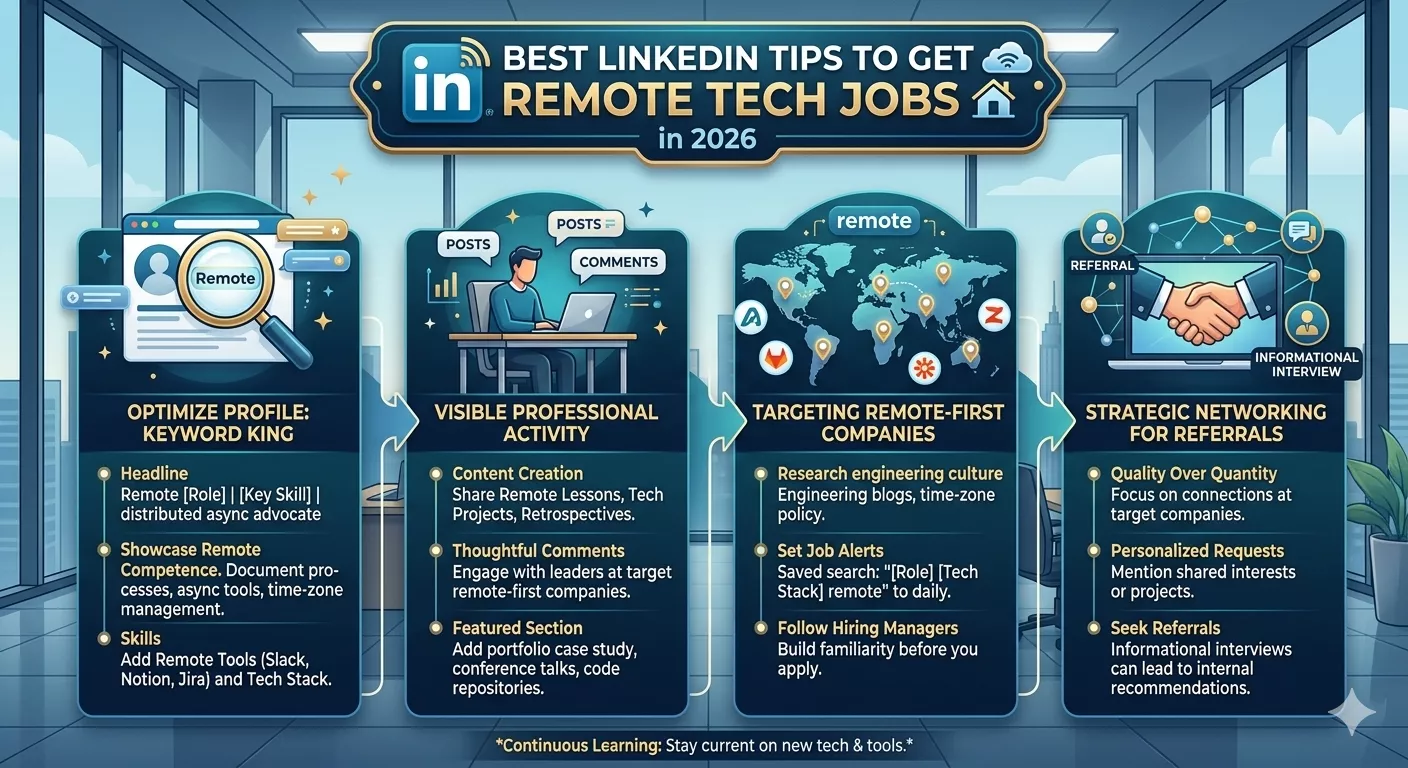
Searching randomly isn’t very effective. There are better ways. Start with job boards that focus on remote work. Websites like We Work Remotely or Remote OK list positions from remote job companies across industries. Company career pages are another option. Many top remote companies post openings directly on their websites.
Networking helps too. Sometimes opportunities come through connections rather than listings. If you’re aiming for design roles, exploring paths like ui ux designer jobs can open doors. The same goes for development or content creation.
Are freelance platforms part of remote work
Yes, but they work a bit differently.
Freelance platforms connect individuals with short-term projects. You’re not an employee, but you’re still working remotely. This can be a good starting point. Many people build experience through freelance jobs before moving into full-time remote employment. Some even stick with freelancing long-term. It offers flexibility, though income can vary.
The role of non-tech companies in remote hiring
Not every remote work company is a tech giant. Many non-tech businesses now offer remote roles. E-commerce brands hire customer support agents. Publishing companies hire editors. Even small businesses outsource tasks to remote workers.
This shift has made online jobs more accessible. You don’t need to be in Silicon Valley or any specific location. People looking into paths like wordpress developer jobs often find remote opportunities because web development naturally fits online work.
How global remote companies manage hiring
Hiring remotely isn’t just about posting a job. There’s a process behind it. Companies screen candidates through online interviews, skill tests, and sometimes trial projects.
They also consider time zones, legal requirements, and payment systems. Some companies hire globally without restrictions. Others focus on specific regions due to tax or compliance issues. It’s not always straightforward, but it’s becoming more common.
Future of companies offering remote jobs
Remote work isn’t going away. If anything, it’s becoming more normalised. More companies are experimenting with flexible models. Some are reducing office space entirely.
At the same time, expectations are changing. Employees now look for flexibility as part of the job, not just a bonus. The list of companies with remote jobs will keep growing, but it will also keep shifting. New companies will appear, others will adjust their policies.
A realistic way to approach remote job searching
- There’s no perfect strategy, but a few patterns help.
- Focus on building a skill that can be done online. It could be writing, coding, design, or support.
- Apply consistently. Rejections happen, especially at the beginning.
- Learn as you go. Remote work often requires adapting quickly.
- It’s not instant. It’s more like a gradual shift.
Closing thoughts that don’t try to wrap everything up neatly
If you’re still wondering what companies offer remote jobs, the answer keeps changing. There isn’t one fixed list. Some companies were remote before it became common. Others are still figuring it out.
What matters more is understanding how remote work companies operate and where you fit into that space. Once you see that, the search becomes less about finding a perfect company and more about finding the right role within a system that already exists. And that’s usually where things start to click.