

You’ve found an exciting work-from-home opportunity, but the job description says “Remote US Only.” Does that mean you must be an American citizen, or can you apply from another country? Understanding what does remote US only mean in job listings can save you time and help you focus on opportunities where you’re eligible to work.
In most cases, “Remote US Only” means the employer allows you to work remotely but requires you to be physically based in the United States. You may work from home rather than an office, but you generally cannot perform the job from another country without the employer’s approval However, residency, citizenship, and work authorization are different requirements. This guide explains those differences, why employers restrict remote hiring, and what international applicants should look for before applying.
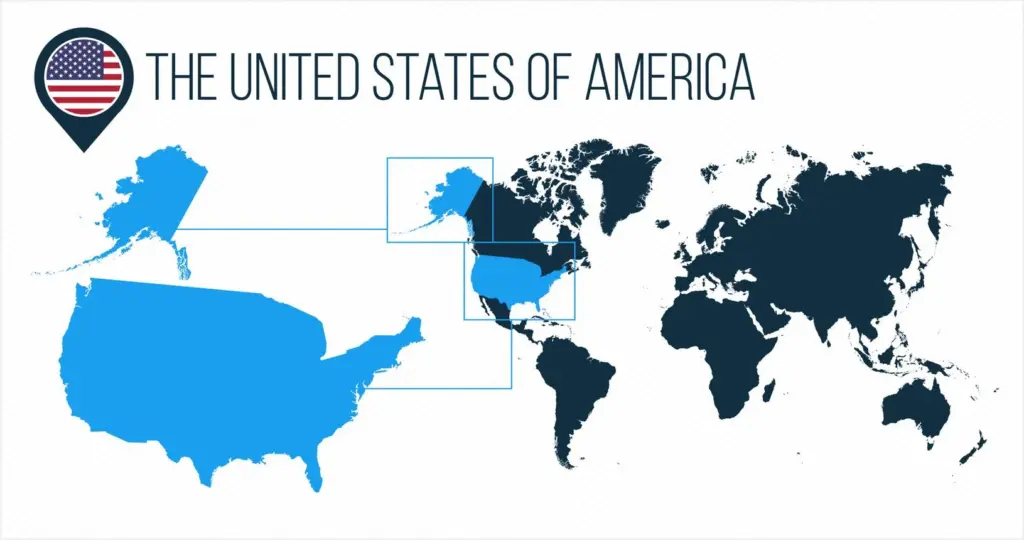
Table of Contents
What Does Remote US Only Mean in a Job Posting?
“Remote US Only” means a remote position is restricted to applicants who will work from an approved location within the United States. For example, a software company based in California might advertise a fully remote developer position. Employees may be allowed to work from Texas, Florida, or other approved states instead of commuting to the company’s office. However, the same company might not accept someone planning to perform the job from Pakistan, India, Canada, or the United Kingdom. The word “remote” describes the working arrangement,
while “US only” identifies a geographic restriction. These restrictions can apply even when every task is performed online and the employee never needs to visit the company’s office. Some employers hire throughout the United States, while others operate only in selected states. That’s why reading the full eligibility requirements is more useful than relying on a job listing’s title.
Why Do Companies Offer Remote US-Only Jobs?
Remote work removes the need for a traditional office, but it doesn’t eliminate the legal and administrative responsibilities involved in employing someone. Companies may restrict hiring based on payroll, taxes, employment regulations, security requirements, customer contracts, or business operations.
Payroll and Tax Requirements
Employers must comply with applicable payroll and employment obligations wherever they hire employees. Hiring someone in another state may create additional registration, payroll withholding, reporting, or employment compliance requirements. Hiring someone in another country can involve a different set of legal and tax obligations. For some businesses, limiting remote hiring to locations where they already have appropriate arrangements is simpler than expanding into new jurisdictions. This is one reason a company may advertise a remote position but restrict applications to particular US states.
Employment Laws and Compliance
Employment rules differ between countries and, in some areas, between US states. Requirements involving compensation, leave, insurance, employment classification, and payroll administration can influence where a company chooses to hire. An employer might be legally capable of establishing an international hiring arrangement but decide that doing so is not practical for a particular position. Consequently, a company can operate globally while keeping some individual roles US-only.
Security and Contractual Requirements
Certain technology positions involve sensitive information, restricted systems, or regulated customers. An employer may need staff to access systems from approved locations or meet conditions established by its clients. Some government-related jobs have additional citizenship or clearance requirements, but those requirements must be evaluated separately from the general “Remote US Only” label.
Working Hours and Team Coordination
Time-zone compatibility can also influence remote hiring. A US company may want employees available during its standard business hours for customer support, team meetings, or incident response. However, a job requiring US working hours is not necessarily the same as a US-only job. Someone living overseas might be able to work the required schedule, but that doesn’t automatically make them eligible for employment if the company has geographic hiring restrictions.
Does Remote US Only Mean You Must Be a US Citizen?
No. A remote US-only job does not automatically require US citizenship. Many employers can hire individuals who are legally authorized to work in the United States, including eligible permanent residents and certain other noncitizens. The important distinction is between where you live, whether you’re authorized to work, and whether the position has a separate citizenship requirement. For example, a person with US permanent resident status who lives in an approved state may qualify for many US-only positions.
An individual living outside the United States who has American citizenship, however, may still be ineligible if the employer requires the work to be performed physically within the country. A US passport does not override an employer’s location policy. If a position explicitly requires “US Citizens Only,” that is a different restriction. Such language should not be assumed from “Remote US Only” alone.
Remote US Only vs. US Work Authorization
Work authorization determines whether someone is legally permitted to perform employment in the United States under the applicable immigration rules.
Location requirements determine where the employer permits the work to take place. These two conditions are related but not interchangeable. US employers generally must verify the identity and employment authorization of individuals hired for employment in the United States using Form I-9. Some noncitizens are authorized to work through their immigration status, while others may require specific employment authorization or permission tied to an employer. Consider a candidate living in California who has valid authorization for the position. That person may satisfy both the location and authorization requirements. Another candidate may live in California but lack authorization to accept the employment. Living in the United States would not resolve that issue.
Similarly, a US citizen living permanently overseas may have no immigration-related barrier to US employment, yet still fail the company’s physical-location requirement. Always check both conditions independently.
Remote US Only vs. Worldwide Remote Jobs
Different remote job labels describe different employment arrangements.
Understanding their meanings can help you avoid applications that are unlikely to match your location.
| Job Listing Label | Typical Meaning |
| Remote US Only | Work must generally be performed within approved US locations |
| Remote USA, Selected States | Applicants must work from specifically listed states |
| Remote Worldwide | Employer considers applicants internationally, subject to individual restrictions |
| Remote North America | Hiring may be limited to eligible locations in North America |
| Remote US Time Zones | Scheduling preference or requirement; geographic eligibility must be checked |
| Hybrid Remote | Some office attendance is usually required |
| Work From Anywhere | Broad location flexibility, potentially subject to country, tax, security, or travel restrictions |
These labels are not universal legal definitions. Employers can use them differently, so the full job description remains the most reliable starting point.
Can International Applicants Apply for Remote US-Only Jobs?
International applicants can submit applications when a company permits them, but being qualified for the work doesn’t necessarily make someone eligible for a US-only position. If you live outside the United States and the advertisement clearly requires US residency or a US work location, you should generally assume that the standard employment arrangement isn’t available from your country. There may be exceptions if the employer offers international contracting, uses an approved international employment arrangement, or is willing to consider an alternative hiring structure. However, those possibilities should be confirmed directly with the employer rather than assumed.
A company may hire international freelancers for one project while restricting permanent employee positions to the United States. For international job seekers, the most efficient approach is to prioritize opportunities that explicitly accept applications from your country or offer worldwide remote employment.
Can You Work for a US Company While Living Abroad?
Yes, it can be possible to work remotely for a US company while living outside the United States, but the arrangement must be supported by the employer and comply with applicable requirements. For example, a US business might hire a developer in another country as an independent contractor under an appropriate agreement. Alternatively, a company may employ overseas professionals through a local entity or an employer-of-record arrangement.
These options are different from accepting a US-only employee position and independently deciding to work from abroad. Working internationally can raise questions involving local employment rules, taxes, contractual classification, data security, and immigration status. A person should not assume that obtaining a US bank account, using a US mailing address, or matching American office hours changes their physical work location. The employer needs accurate information about where the work will actually be performed.
How to Check Your Eligibility Before Applying
Before applying for a remote position, review the job description carefully rather than focusing only on its title. Start by checking the location field. Look for wording such as “Must reside in the United States,” “US-based applicants only,” or a list of permitted states.
Next, review the employment authorization requirements. Some positions ask whether applicants are currently authorized to work in the United States or whether they will require employment sponsorship. Then consider the employment arrangement. A permanent employee position may have different requirements from a contractor opportunity. If the listing is unclear, contact the recruiter with a direct question about your actual location. For example, you can ask whether the company accepts applicants working remotely from your country or whether the position requires physical residence in an approved US state.
Provide accurate information. Misrepresenting your work location can lead to employment, contractual, or compliance problems.
How to Find Remote IT Jobs Open to International Applicants
International applicants should search for opportunities based on geographic eligibility as well as technical specialization.
Useful search phrases include “remote jobs worldwide,” “international remote developer jobs,” “remote software jobs global,” and “remote IT contractor jobs.” However, even positions advertised as global may exclude certain countries.
Always inspect the permitted locations, working-hour expectations, payment arrangements, and employment requirements before applying. For technology roles, relevant skills and a strong portfolio can improve your competitiveness, but they cannot override an employer’s geographic restrictions. If you’re still developing your experience, explore remote IT jobs with no experience to understand beginner-friendly career paths. You can also review Remote IT Jobs and check individual opportunities for their stated location and authorization requirements.
Common Mistakes When Applying for US-Only Remote Jobs
One common mistake is assuming that remote means worldwide. A job can be fully remote while still requiring employees to work from specific locations. Another is confusing citizenship with residency. Being a US citizen doesn’t necessarily allow someone to perform a US-only job from another country, and noncitizens with appropriate authorization may qualify for positions that don’t require citizenship.
Candidates also sometimes overlook state-level hiring restrictions. Living in the United States may not be sufficient if the company hires only in selected states. Using a VPN or another country’s address to appear eligible is not an appropriate solution. Employers may have contractual, payroll, and security obligations that depend on accurate location information. Finally, avoid assuming that every US company sponsors visas or accepts international contractors. The company must explicitly offer or approve the arrangement.
Frequently Asked Questions
What does remote US only mean?
It generally means the employer allows remote work but requires employees to perform the job from approved locations within the United States. Exact eligibility depends on the listing.
Can I apply for a US-only remote job from another country?
You can inquire about exceptions, but a clearly US-only role generally isn’t open to someone planning to work from abroad unless the employer approves an alternative arrangement.
Do remote US-only jobs require US citizenship?
Not necessarily. Many jobs require an approved US work location and appropriate employment authorization rather than citizenship. Some positions have separate citizenship requirements.
Can a green card holder apply for remote US jobs?
Generally, lawful permanent residents are authorized to work in the United States. They must also satisfy the employer’s geographic and role-specific requirements.
Can I work from another country if I follow US working hours?
Not automatically. Matching the company’s time zone does not remove geographic, employment, or security restrictions.
What does remote US only mean on LinkedIn?
It generally indicates that the employer has restricted the position to US-based work locations. Read the complete listing because job-board location labels do not always explain every hiring condition.
Are all remote jobs available worldwide?
No. Remote jobs can be restricted by country, region, state, time zone, legal authorization, or the employer’s operational requirements.
Final Thoughts
Understanding what does remote US only mean in job advertisements helps you distinguish genuine geographic restrictions from citizenship and employment authorization requirements. A US-only remote position generally allows someone to work outside the office while remaining in an approved US location. For international candidates, the best approach is to read the full eligibility requirements, ask about exceptions when appropriate, and prioritize jobs that explicitly support international hiring. Explore Remote IT Jobs to research technology careers and evaluate opportunities according to your skills, experience, and permitted work location.
Disclaimer: This article provides general career information, not individualized immigration, employment, or tax advice. Rules and eligibility depend on the facts of each position and applicant.