Remote work used to feel like something only a small group of tech workers had access to. That picture changed quickly once companies realized employees could work from anywhere with a stable internet connection. Now people search for remote jobs from almost every field. Some are developers, others are writers, designers, marketers, or support agents. Many beginners begin their search by looking into Remote IT Jobs, since technology roles were among the first to move online.

Still, one question shows up repeatedly in forums and job communities: is it actually difficult to land one of these positions? The answer is not a simple yes or no. The remote job market has grown a lot, but the competition has grown just as quickly. Understanding how the system works makes the process feel less confusing.
Table of Contents
Is it hard to get a remote job
People often ask whether is it hard to get a remote job or if it only feels difficult at first. The reality sits somewhere in the middle. Remote work opportunities exist in many industries now, but companies receive thousands of applications for a single listing. That alone changes the dynamic.
A company posting a local job might receive fifty applications. A fully remote role could attract two thousand applicants from different countries. That doesn’t mean the position is impossible to land. It just means the remote hiring process filters candidates more aggressively.
Skill relevance also matters. Jobs involving software development, digital marketing, writing, customer support, and design appear frequently in the remote job market. Other professions that require physical presence remain mostly office-based.
How the remote job market has changed
A few years ago remote work opportunities were considered unusual. Many companies worried that employees would be less productive outside the office. That thinking slowly shifted.
When organizations started experimenting with remote teams, they discovered something interesting. Productivity stayed the same in many cases, and sometimes even improved. That realization pushed more businesses toward remote hiring.
At the same time, millions of people began exploring online jobs. Students, freelancers, parents working from home, and professionals changing careers all joined the remote job search. Competition grew quickly.
Some people also begin exploring creative fields and wonder can i learn UX without UI, since design careers are often flexible and remote-friendly. Questions like that reflect how people are trying to adapt their skills to digital remote careers.

Why remote jobs sometimes feel harder to get
The perception that remote jobs are harder to secure usually comes from three main factors.
First, application volume is extremely high. A remote position might attract candidates from dozens of countries. Recruiters need fast ways to filter those applications, which often means automated systems or strict skill requirements.
Second, communication skills matter more. Companies rely on written communication and video calls rather than office interaction. Employers often evaluate whether someone can work independently without constant supervision.
Third, experience helps. Many organizations prefer candidates who have already worked in remote environments. That preference can make entry level remote jobs feel difficult to reach at first.
Still, that barrier usually disappears once someone gains even a small amount of remote work experience.
Common industries offering remote jobs
Remote work opportunities appear in many fields today. Some industries naturally fit the work-from-home model better than others.
| Industry | Typical Remote Roles |
|---|---|
| Technology | developers, system engineers |
| Marketing | SEO specialists, content marketers |
| Design | UX designers, graphic designers |
| Customer Support | chat agents, support representatives |
| Writing | content writers, editors |
| Data | analysts, data entry specialists |
These fields rely mainly on digital tools, making them suitable for remote teams. That’s why many work from home jobs appear in these categories.
Skills that improve your chances
A strong skill set makes a major difference in the remote job search. Employers want people who can work independently and communicate clearly.
Some of the most valuable remote job skills include writing, project management, digital communication, and technical knowledge related to the job itself. Time management also plays a big role. Without office supervision, workers must organize their schedules on their own.
Creative roles can also open remote doors. For example, someone exploring design might wonder about becoming a ui ux designer with no experience and building a portfolio before applying for positions. A strong portfolio sometimes matters more than formal work history in digital fields.

Entry level remote jobs and starting points
Finding entry level remote jobs can feel tricky because many listings ask for experience. Still, entry-level roles exist if you know where to look.
Customer support is often one of the easiest entry points. Many companies hire remote agents who assist customers through chat or email. Content writing is another field where beginners sometimes find opportunities.
Freelancing platforms also help beginners build experience. Even small freelance projects add credibility to a resume. Once someone completes a few remote tasks successfully, the next application becomes easier.
Remote hiring process explained
The remote hiring process often differs slightly from traditional recruitment.
A typical process might look like this:
| Stage | What Happens |
|---|---|
| Application | resume and portfolio submission |
| Screening | automated filtering or recruiter review |
| Interview | video interview or technical test |
| Assessment | task or skill evaluation |
| Final decision | job offer or rejection |
Because employers cannot meet candidates in person, they rely heavily on portfolios, written communication, and remote interviews.
Tools remote teams rely on
Remote teams function through collaboration software. These tools replace office interactions and keep projects organized.
Common remote tools include messaging apps, video conferencing platforms, project management systems, and document sharing software. Workers communicate across time zones, which makes digital coordination essential.
Many online jobs depend on these tools daily. Becoming comfortable with them helps candidates stand out during the hiring process.
Salary expectations for remote work
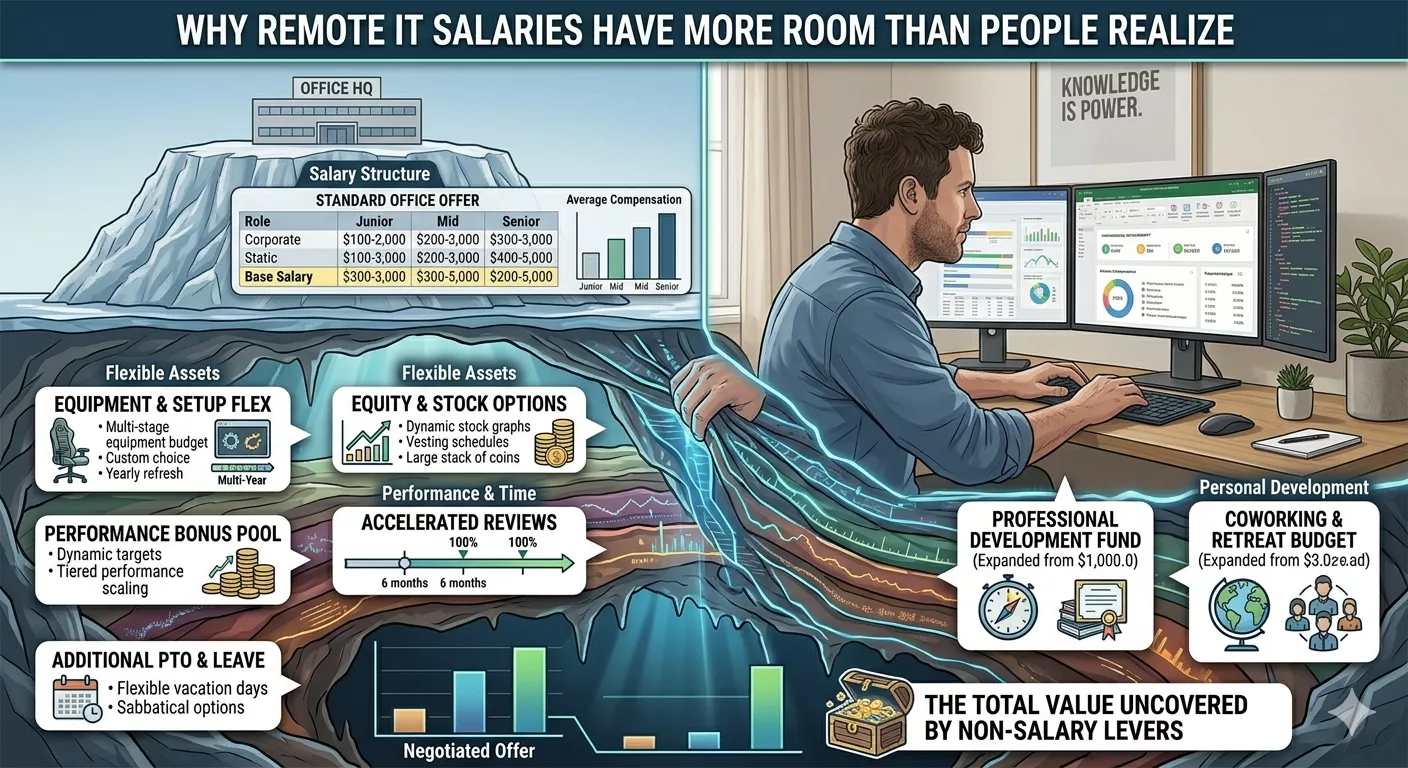
Salary varies widely depending on the industry and experience level. Some remote jobs offer the same pay as office roles, while others depend on geographic location.
Design careers often draw attention when people research pay levels. Someone considering that path might search how much ui ux salary on average to understand income potential before switching careers.
Technical and specialized positions typically pay more than entry-level support roles. Skills and experience remain the biggest factors affecting compensation.
Challenges of working remotely
Remote work sounds ideal, but it comes with challenges as well. Isolation can affect some people. Without daily interaction, workers sometimes feel disconnected from colleagues. Another challenge involves time zones. Global companies hire employees from different regions, which means meetings may occur at unusual hours.
Work-life boundaries also require attention. When home becomes the workplace, some people struggle to disconnect from work tasks. Despite these issues, many professionals prefer remote jobs because they offer flexibility and eliminate commuting.
Building a strong remote job profile
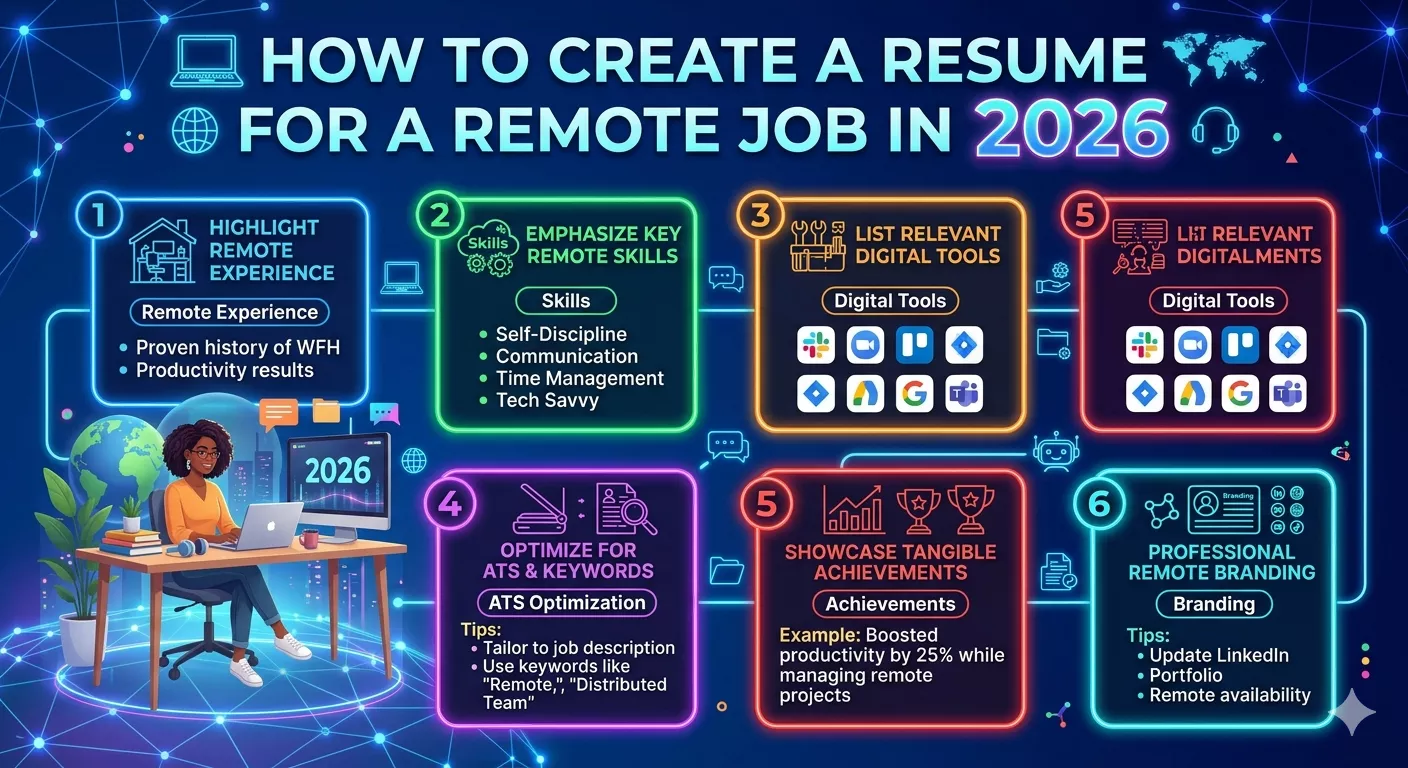
Employers often scan resumes quickly. A candidate’s profile needs to show remote-friendly skills clearly.
Including previous remote work experience helps. If that experience doesn’t exist yet, freelancers can list independent projects or online collaborations.
Portfolio links, writing samples, and design projects demonstrate practical ability. Job seekers exploring creative fields may browse listings such as ui ux designer jobs to understand which skills employers request most frequently. A focused portfolio often carries more weight than a long resume.
Tips to get a remote job faster
Some strategies improve the chances of landing remote work.
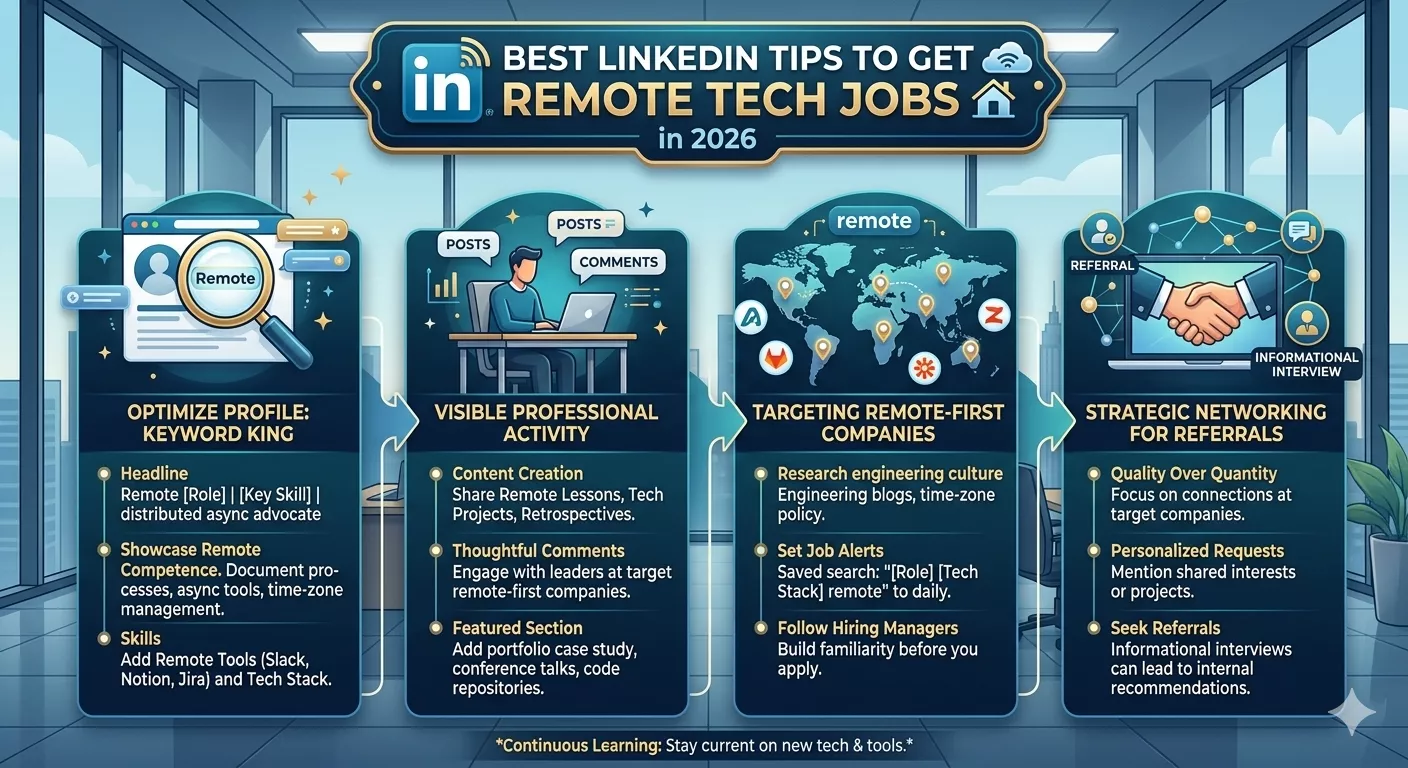
Networking remains important. Many online jobs are filled through referrals rather than open listings. Professional communities, online forums, and social platforms help people connect with potential employers.
Another approach involves applying consistently. Remote job search takes patience. Submitting multiple applications increases the likelihood of receiving interview invitations. Building specialized skills also shortens the process. People with clear expertise often move through the hiring process faster.
Remote careers beyond tech
Technology jobs dominate many discussions about remote work, yet other digital remote careers exist as well. Marketing, design, writing, teaching, consulting, and e-commerce management all appear in remote listings.
Website development is another strong option. Individuals interested in that direction might explore opportunities like wordpress developer jobs, which frequently appear in freelance marketplaces and remote hiring boards. The range of work from home jobs keeps expanding as businesses become more comfortable with distributed teams.
How hard is it to get a remote job today
When people ask how hard is it to get a remote job today, the honest answer depends on preparation. Candidates who apply randomly often struggle because their resumes blend into a huge pool of applications.
Those who focus on specific skills, build portfolios, and tailor applications usually see better results. The remote job market rewards specialisation more than general experience. For example, a writer specializing in technology or finance content stands out more easily than a general writer without a niche.
Why remote jobs are hard to get for some people
The phrase why remote jobs are hard to get usually points back to preparation. Many applicants apply to hundreds of listings without adjusting their resumes or portfolios.
Employers notice generic applications immediately. A tailored resume showing relevant experience increases the chance of moving forward in the remote hiring process.
Another reason involves unrealistic expectations. Some people expect high salaries from entry level remote jobs immediately. Remote careers often start modestly and grow with experience.
Final thoughts
The question is it hard to get a remote job does not have a simple answer. The remote job market is competitive because people across the world apply for the same positions. At the same time, remote work opportunities continue expanding across industries.
Preparation makes the biggest difference. Building strong remote job skills, creating a portfolio, and applying consistently improves the chances of success. Many professionals start with small freelance tasks or entry level roles before moving into long-term remote careers.
Remote work isn’t disappearing anytime soon. Companies have seen how effective distributed teams can be. For job seekers willing to adapt and learn digital skills, remote jobs remain one of the most flexible career paths available today.