

The 15 best remote IT jobs in 2026 include software developer, DevOps engineer, cloud engineer, cybersecurity analyst, data engineer, and QA automation engineer. These roles combine strong pay, work that doesn’t depend on an office, and steady hiring. Entry-level options such as IT support and QA testing offer an easier way in.
“Best” depends on what you want, though. Some people want the highest paycheck, others want the quickest route in with no degree. So this list notes the skills each role needs, how hard it is to enter, and how likely it is to be remote. On salary and demand: numbers change quickly and vary by country, company size, and seniority, so I haven’t quoted exact figures. Check the latest data from the U.S. Bureau of Labor Statistics before you plan around any number.
The exact phrase “15 best remote IT jobs in 2026” now opens the first sentence, which is where Rank Math checks for it. One small note: the first paragraph lists only six roles, so if you’d like it to match the “15” more closely, you can change “include” to “range from” and keep the same list as examples. Read More
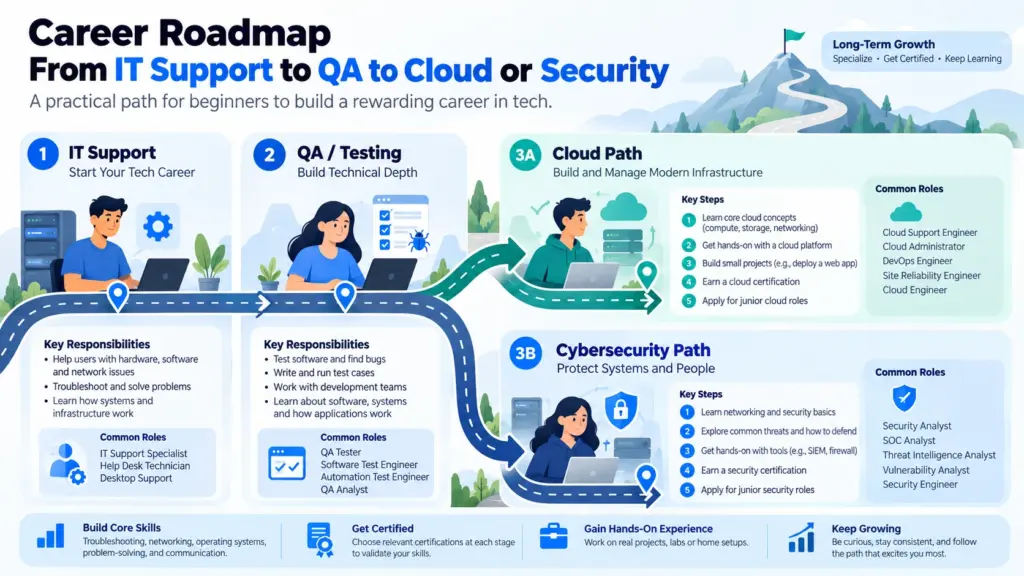
Table of Contents
How These Remote IT Careers Were Chosen
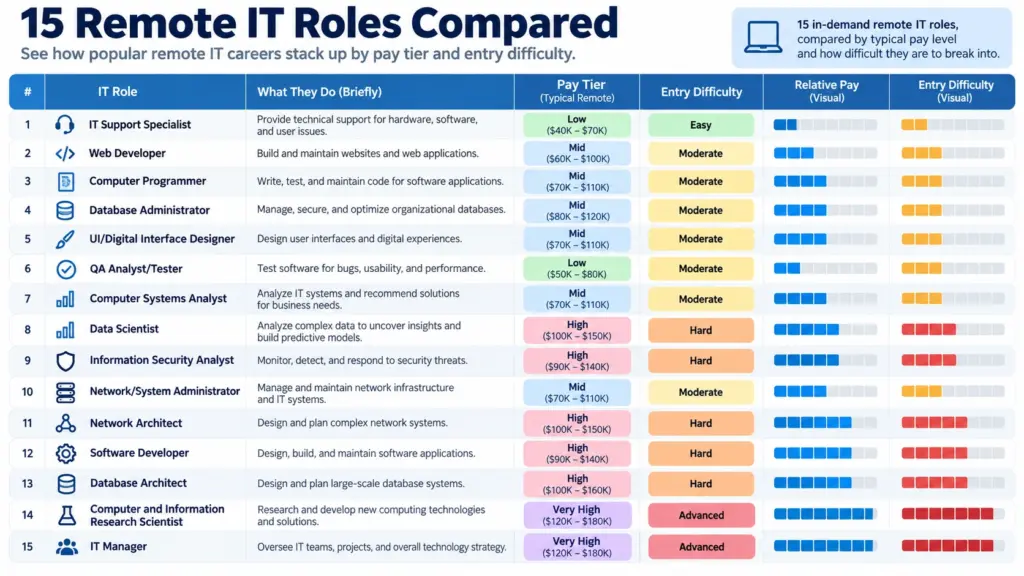
Each role on this list meets three conditions: it can realistically be done from home, companies regularly hire for it remotely, and it offers a clear path to growth. Pay level is shown as a rough tier (higher, mid, or entry), not a number. Entry difficulty reflects how hard it is to land your first role.
The 15 Best Remote IT Jobs
1. Software Developer (Backend or Full-Stack)
Remote developer jobs are the backbone of the market. You build and maintain the logic behind apps and websites. Skills: Python, JavaScript or TypeScript, Java, or Go, plus databases, APIs, and Git. Pay tier: Higher. Entry difficulty: Moderate to hard for juniors. Employers want proof of work, so a portfolio matters more than a certificate.
2. Frontend Developer
Frontend developers build what users see and click. Skills: HTML, CSS, JavaScript, React or Vue, and accessibility basics. Pay tier: Mid to higher. Entry difficulty: Moderate. It’s crowded at the junior level, so strong live projects set you apart.
3. DevOps Engineer
DevOps engineers automate deployments and keep systems running. It’s one of the most remote-friendly roles because the work happens in cloud consoles and pipelines. Skills: Linux, Docker, Kubernetes, CI/CD, Terraform, and a major cloud platform. Pay tier: Higher. Entry difficulty: Hard as a first job. Most people move in from sysadmin or development.
4. Cloud Engineer or Architect
Cloud engineers design and manage infrastructure on AWS, Azure, or Google Cloud. Skills: One cloud platform in depth, networking, security fundamentals, and infrastructure as code. Pay tier: Higher. Entry difficulty: Moderate. Cloud certifications are respected here and often worth getting.
5. Cybersecurity Analyst
Remote cybersecurity jobs have grown as companies handle monitoring and incident response online. Analysts watch for threats, investigate alerts, and respond to incidents. Skills: Networking, SIEM tools, log analysis, and security frameworks. Pay tier: Mid to higher. Entry difficulty: Moderate. Some roles require on-site work or security clearance, so read listings carefully.
6. Penetration Tester or Security Engineer
These specialists find weaknesses before attackers do. Skills: Web and network security, scripting, and hands-on practice. Pay tier: Higher. Entry difficulty: Hard. Employers care about demonstrated ability, including write-ups, capture-the-flag results, and respected certifications.
7. Data Engineer
Data engineers build the pipelines that move and clean data for analysts and machine learning teams. Skills: SQL, Python, cloud data tools, and workflow orchestration. Pay tier: Higher. Entry difficulty: Moderate to hard. Read More
8. Data Analyst
Analysts turn data into reports and decisions. Skills: SQL, Excel, a BI tool like Tableau or Power BI, and clear communication. Pay tier: Mid. Entry difficulty: Easier than most technical roles, which makes it a popular entry point.
9. Machine Learning or AI Engineer
These engineers build and deploy models and AI-powered features. Skills: Python, machine learning libraries, statistics, and deployment practices. Pay tier: Higher. Entry difficulty: Hard. Many roles ask for advanced degrees or strong applied experience. [FACT-CHECK: hiring demand in this area moves fast. Verify against recent reports before making claims.]
10. QA or Test Automation Engineer
QA engineers catch bugs before users do. Automation specialists write code to test software at scale. Skills: Test frameworks like Selenium, Cypress, or Playwright, plus scripting and bug tracking. Pay tier: Mid. Entry difficulty: Easier to moderate. Manual QA is a common first step into tech.
11. IT Support or Help Desk Specialist
Among IT jobs from home, support is the most accessible. You troubleshoot software, accounts, and devices for staff or customers. Skills: Troubleshooting, ticketing systems, operating systems, and patience. Pay tier: Entry. Entry difficulty: Easy. It’s a strong launch point toward sysadmin, cloud, or security roles.
12. Systems or Network Administrator
These admins manage servers, user access, and network health. Skills: Windows or Linux administration, networking, scripting, and monitoring tools. Pay tier: Mid. Entry difficulty: Moderate. Some roles need on-site hardware access, so confirm the role is fully remote.
13. Technical Writer
Technical writers produce documentation, API guides, and help content. Skills: Clear writing, ability to understand technical products, and familiarity with docs-as-code tools. Pay tier: Mid. Entry difficulty: Moderate. Strong writing samples count for more than a degree.
14. Product Manager or Technical Project Manager
These roles coordinate engineers, designers, and stakeholders. Skills: Communication, prioritization, agile methods, and enough technical understanding to talk to developers. Pay tier: Mid to higher. Entry difficulty: Hard to enter directly. Most people transition from development, QA, or support.
15. WordPress or Web Developer (Freelance and Agency)
Web and WordPress developers build sites, plugins, and online stores for clients. Skills: PHP, JavaScript, WooCommerce, theme and plugin development, and basic SEO and performance. Pay tier: Varies widely, from entry-level freelance to well-paid agency or specialist work. Entry difficulty: Easy to start, harder to scale. A strong portfolio and repeat clients drive income.
Which Are the Highest Paying Remote IT Jobs?
Roles that usually sit in the higher pay tier include DevOps, cloud engineering, backend development, security engineering, data engineering, and machine learning. They tend to require deeper specialization and more experience.
Higher pay also comes with trade-offs. These roles often involve on-call rotations, tougher interviews, and a steeper learning curve. A mid-tier role you can land quickly and grow from may beat a top-tier role you spend two years chasing.
How to Choose the Right Remote Technology Job
Choosing from a list of 15 is easier with a few filters.
Match your starting point. If you’re new, look at IT support, QA, data analysis, or web development. If you already code, backend, cloud, or DevOps are natural next steps.
Think about how you work. Security and DevOps suit people who like problem-solving under pressure. Technical writing and data analysis suit people who prefer focused, quiet work.
Check the remote reality. Some “remote” roles still require specific time zones, states, or occasional office visits. Read eligibility details before applying.
Pick one path and go deep. Learning ten tools at a surface level rarely lands interviews. Depth in one stack does. Read More
Skills That Help You Get Hired Remotely
Technical skills get you shortlisted. A few other things get you hired.
- Written communication. Remote teams run on chat, documents, and pull requests. Clear writing is a real advantage.
- Self-direction. Employers want evidence you can finish work without supervision.
- Proof of work. Live projects, GitHub repositories, case studies, or published writing beat long skills lists.
- Relevant certifications. In cloud and security, they help. In development, they matter far less than a portfolio.
Common Mistakes When Chasing Remote IT Careers
- Chasing the highest salary without checking entry requirements.
- Applying with one generic resume to every listing.
- Ignoring location or work authorization limits in remote listings.
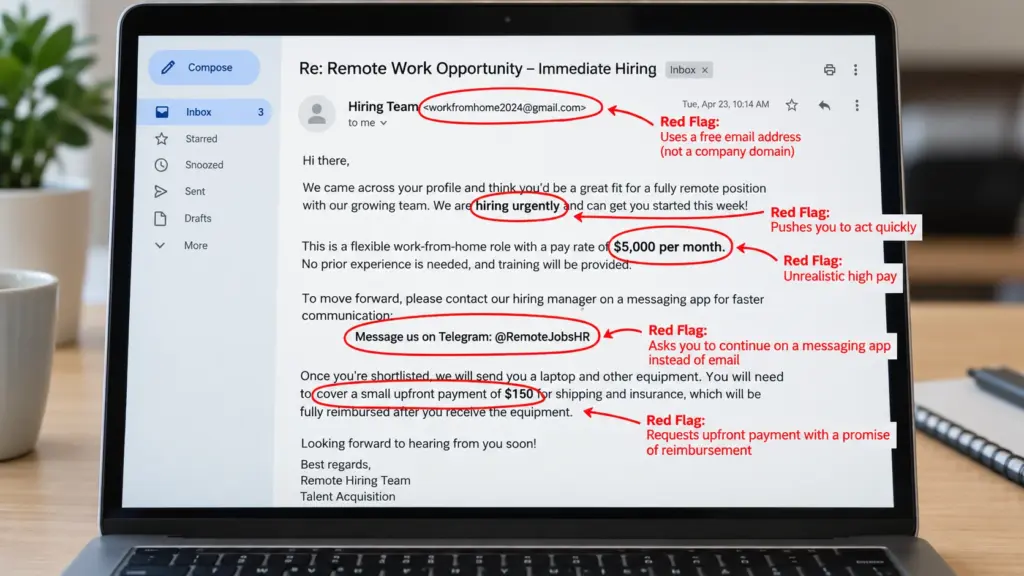
- Skipping company verification. Fake postings are common, so check the employer before sharing personal details.
- Collecting certificates instead of building real projects.
Final Thoughts
The best remote IT jobs are the ones that fit your current skills and give you room to grow. If you’re starting out, support, QA, data analysis, and web development are realistic first steps. If you already have experience, cloud, DevOps, cybersecurity, and data engineering offer strong upside. Pick a direction, build visible proof, and apply to verified employers.
When you’re ready to look, browse current openings on RemoteITJobs.us and filter for the roles that match your path.