
The remote work space has exploded over the last few years, and with that growth came something nobody really talks about enough the sheer number of scams buried inside every job board, every LinkedIn DM, every “exciting opportunity” email. If you’ve been job hunting online, you’ve probably already sensed something was off about a listing or two. Lets find how to find remote jobs that are not scams in market. That instinct matters. Finding the latest Remote IT Jobs or any remote position that actually pays you what they promised requires more than just submitting applications, it requires knowing what’s real and what’s designed to waste your time, steal your information, or worse, your money. How to Find Remote Jobs That Are not Scams Without Losing Your Mind The honest truth about how to find remote jobs that aren’t scams is that it comes down to slowing down. Most people get burned because they’re rushing. They see a job that pays well, requires minimal experience, and promises flexibility and they apply without checking a single thing. Scammers know this. They build listings that hit every emotional button urgency, big money, easy work because it works on people who are desperate or excited. Remote job scams are everywhere, and the ones that look the most professional are often the most dangerous. So before anything else, slow down. Why Remote Job Scams Are So Hard to Spot? A lot of online job scams don’t look like scams anymore. Back in the day, you could spot them from a mile away broken English, weird logos, email addresses with random numbers. Now they have proper websites, stolen company branding, fake employee LinkedIn profiles, and even rehearsed video interviews. They’ve gotten good at this. Some of them run full “hiring processes” with multiple rounds just to eventually ask you for a background check fee or a equipment deposit. The job scam warning signs have shifted from obvious to subtle, and that’s what makes them dangerous for people who aren’t paying close attention. If you want to understand the design side of remote work better, it helps to know can i learn UX without UI because understanding how digital products are built gives you a sharper eye for what’s real online and what’s been put together to deceive. The Platforms That Actually Have Legit Remote Jobs Not every job board is created equal. There are platforms built specifically around remote job search tips and vetting, and there are others that are basically open fields where anyone can post anything. The difference matters a lot. Trusted job websites like We Work Remotely, Remote.co, FlexJobs, and Jobspresso have some level of curation. They’re not perfect, but they’re far better than random Craigslist or Facebook group listings where there’s zero accountability. FlexJobs in particular charges a subscription, which actually filters out a lot of bad actors because scammers don’t want to pay to post. It’s a bit of an annoying barrier as an applicant too, but it’s worth it if you’re serious. LinkedIn is useful but requires more skepticism the platform has improved its scam detection but it’s still possible to stumble into fake recruiters. Indeed is massive and so is the noise level on it. Stick to listings from companies you can independently verify. How to Verify If a Remote Job Offer Is Real or Fake Remote job verification doesn’t need to be complicated. There are a few things you can do in under ten minutes that will tell you a lot. First, look up the company on Google not just their website, but also their Glassdoor reviews, LinkedIn presence, and any news about them. If a company has been operating for years and you can find employee reviews, news coverage, and a consistent digital footprint, that’s a decent sign. Second, check the email domain. If a recruiter says they’re from Amazon but their email is @gmail.com or @amazon-careers.net, that’s not Amazon. Real companies hire from their own domain. Third, search the job description itself in quotes on Google. Scammers copy and paste descriptions across dozens of fake listings, and sometimes that exact text shows up tied to complaints or scam reports. These are small steps but they catch a lot. Work from home jobs legit enough to actually pay you will always hold up to basic scrutiny. Signs of Remote Job Scams and How to Avoid Them There are patterns that show up again and again in remote job scams. Knowing them doesn’t make you paranoid it makes you efficient. If a job posting promises you $50/hour to do basic data entry with no experience needed, the math doesn’t add up. Legitimate companies don’t pay that rate for entry-level work. If a recruiter contacts you out of nowhere with a ready-made job offer before ever asking about your experience, be skeptical. If they push you to communicate on Telegram or WhatsApp instead of email, that’s a flag. If any part of the process involves you paying money — for training materials, software, background checks walk away. People looking for ui ux designer with no experience positions are especially targeted by these kinds of listings because the demand is high and entry-level candidates are easier to manipulate with false promises of quick remote careers. Common Remote Job Scams and How They Work The reshipping scam is one of the oldest. You get hired to receive packages at home and ship them elsewhere. Sounds strange but people fall for it. Those packages are usually bought with stolen credit cards, and you become an unwitting accomplice. The check over payment scam involves them sending you a “paycheck” that’s more than agreed, asking you to wire the difference back. The check bounces a week later and you’re out real money. The fake interview scam walks you through multiple hiring stages only to ask for personal data SSN, bank details for “payroll setup” before you’ve worked a single day. These are common remote job scams that cost people thousands every year,

What is the Highest Paying job in Texas? Complete Guide
When people start looking at career options, salary usually becomes one of the first filters. It’s not the only thing that matters, but it definitely shapes decisions. Someone exploring paths like Remote IT Jobs might also wonder how those roles compare with traditional high-income careers in places like Texas. Texas has a large and diverse economy. Oil, healthcare, technology, and business all play a role. That mix creates a wide range of opportunities, and some of them pay far more than others. What is the Highest Paying job in Texas? If you’re asking what is the highest paying job in texas, the answer usually points toward healthcare—specifically surgeons and physicians. These roles consistently rank at the top when it comes to highest paying jobs in Texas. Specialized doctors, such as anesthesiologists or orthopedic surgeons, often earn well into six figures, sometimes crossing $300,000 per year depending on experience and location. But healthcare isn’t the only field. High-level executives, tech leaders, and certain engineering roles also fall into the category of high salary jobs Texas offers. A quick look at top-paying careers in Texas It helps to see things side by side. Salaries vary, but general ranges give a clear idea of where the money tends to be. Job Role Average Salary Range (USD) Surgeon $250,000 – $400,000+ Anesthesiologist $250,000 – $350,000 Psychiatrist $200,000 – $300,000 Petroleum Engineer $130,000 – $200,000 Software Architect $120,000 – $180,000 Corporate Executive (CEO) $150,000 – $300,000+ This kind of list answers part of the question around the list of highest paying careers in texas with salary. Why healthcare dominates the top Medical roles come with long training periods, high responsibility, and constant demand. That combination usually leads to higher pay. Texas has a growing population, which means steady demand for medical jobs Texas offers. Hospitals, clinics, and private practices continue expanding, especially in cities like Houston and Dallas. For people thinking long-term, healthcare remains one of the most stable options among best careers in Texas. Tech jobs catching up fast Healthcare might lead, but tech is not far behind. Over the last decade, Texas has become a major hub for tech jobs Texas. Cities like Austin have attracted companies and startups, pushing salaries upward. People often ask things like can i learn UX without UI because tech roles feel more accessible than medical careers. And in many cases, they are. Software engineers, data scientists, and cloud architects are now part of the top paying jobs Texas landscape. Oil and energy still matter Texas is known for energy. Oil and gas have shaped the state’s economy for decades, and they still influence Texas salary trends today. Petroleum engineers, drilling supervisors, and energy consultants can earn high salaries, especially when demand rises. Energy Role Salary Range Petroleum Engineer $130,000 – $200,000 Drilling Engineer $120,000 – $180,000 Energy Consultant $100,000 – $160,000 These roles remain part of the high demand jobs Texas continues to offer. Business and executive roles Can beginners access high-paying jobs? Not immediately, in most cases. High salaries usually come after experience or specialized education. Still, there are paths where people start small and grow over time. Some individuals begin with roles like ui ux designer with no experience and gradually move into higher-paying positions within tech. The idea of how to get high paying jobs in texas for beginners often comes down to choosing a field with growth potential. Education vs skill-based careers Not every high-paying job requires a long degree path. While doctors and engineers need formal education, some tech roles rely more on skills and experience. Career Type Requirement Medical Long formal education Engineering Degree + experience Tech Skills + portfolio Business Experience + leadership This is why some people shift toward tech it offers flexibility compared to traditional paths. Texas job market trends The Texas job market has been growing steadily. Population growth, business-friendly policies, and lower taxes attract companies and workers alike. This growth creates more high salary jobs Texas across different sectors. Tech and healthcare continue expanding, while energy remains stable. These patterns shape Texas salary trends, making certain industries more attractive over time. Comparing Texas to other states Texas often ranks well when compared to other states in terms of job opportunities. The cost of living is generally lower than places like California or New York, which makes high salaries stretch further. That’s one reason why highest paying jobs in Texas draw attention from people across the country. Salary growth over time High-paying jobs don’t start high right away. Most roles grow in salary over time. For example: Experience Level Salary Growth Entry-level Lower range Mid-level Moderate increase Senior-level High earning potential People often compare this with other roles by checking ui ux salary on average to see how income evolves in tech careers. Work-life balance vs salary Higher pay often comes with trade-offs. Medical professionals may work long hours. Executives carry heavy responsibilities. Some people prefer slightly lower salaries with better balance. That’s where remote or flexible roles come in. The idea of best careers in Texas isn’t only about money it’s also about lifestyle. Remote jobs and salary potential Remote work has changed how people think about location. Someone living in Texas can work for a company based elsewhere and still earn a high salary. This adds another layer to the discussion of top paying jobs Texas offers. It’s no longer limited to local companies. Career growth and transitions Not everyone stays in one field forever. Many people switch careers to improve income or find better opportunities. For example, someone might start in customer support and later move into tech, eventually exploring ui ux designer jobs or similar roles. Career paths are rarely straight lines, especially in today’s job market. Jobs without a degree There’s growing interest in best high paying jobs in texas without a degree. While options are limited compared to degree-based careers, some roles still offer strong earning potential. Examples include: These paths often require training or certifications instead of traditional degrees.

What is Chat Support Remote Jobs?
You’ve probably seen job listings where the role doesn’t involve calls, meetings, or even much speaking at all. Just typing. Answering queries. Solving problems through chat windows. For many people exploring options like Remote IT Jobs, this kind of work feels more approachable, especially if they prefer written communication over calls. It sounds simple on the surface. But once you look a little closer, there’s more structure behind it than people expect. What is Chat Support Remote Jobs? So, what exactly is meant by What is Chat Support Remote Jobs? At its core, it refers to jobs where you assist customers through live chat systems while working remotely. No office, no physical interaction just a screen, a keyboard, and a steady flow of conversations. These roles fall under customer support jobs, but instead of phone calls, everything happens through messaging. You respond to customer questions, guide them through issues, and sometimes troubleshoot problems in real time. Most remote chat support jobs operate through company dashboards or ticketing systems. You log in, receive chats, and respond as they come in. It’s structured, but it can also feel fast-paced depending on the workload. How chat support jobs actually work The workflow is fairly straightforward, though it varies slightly between companies. A typical day in chat support jobs involves logging into a platform, waiting for incoming chats, and handling multiple conversations at once. Some companies assign a fixed number of chats per agent, while others allow a queue system. Task Description Receiving chats Customers initiate conversations Responding Agents provide answers or solutions Escalation Complex issues passed to higher teams Documentation Recording interaction details This setup is part of what makes online chat agent jobs appealing. There’s structure, but also flexibility. Why people choose remote chat support roles One of the main reasons people look into work from home chat jobs is comfort. There’s no need for a quiet call environment or constant verbal communication. For beginners, these roles often feel like a starting point. People exploring paths like can i learn UX without UI sometimes take chat support roles to gain remote work experience while building other skills. Another factor is accessibility. Many companies offer entry-level online support jobs, making it easier to get started without extensive experience. Types of chat support jobs available Not all chat support roles are the same. Some focus on technical issues, while others handle general inquiries. Type Focus Area Customer service Order tracking, general questions Technical support Troubleshooting software or devices Sales support Assisting with purchases Help desk Internal or IT-related queries These categories fall under broader customer service remote jobs, each with its own expectations. Skills needed for chat support work At first glance, it might seem like typing is enough. It’s not. Strong written communication is essential. You need to explain things clearly without sounding robotic. Speed matters too, especially when handling multiple chats. Other important skills include: Some people transition from roles like ui ux designer with no experience into chat support, or vice versa, depending on their career direction. Chat support responsibilities in daily work The responsibilities go beyond answering simple questions. A typical agent handles a range of tasks throughout the day. Responsibility Example Answering queries Product details, account issues Troubleshooting Helping users fix errors Guiding users Step-by-step assistance Escalating issues Forwarding complex problems These tasks define chat support remote job responsibilities and duties, even if the job title varies slightly. Advantages of remote chat support jobs There’s a reason these roles keep appearing in job searches. They offer certain advantages that appeal to a wide range of people. Benefit Explanation Flexibility Work from home setup No calls Text-based communication Entry-level access Easier to get started Skill building Improves communication and multitasking For those new to remote work, remote help desk jobs and chat support roles can feel like a manageable entry point. Challenges you might not expect It’s not always easy. Handling multiple chats at once can get overwhelming. Some customers are frustrated, and managing tone through text requires care. There’s also the pressure of response time. Many companies track how quickly agents reply and resolve issues. That’s why virtual customer support requires both speed and clarity. You can’t afford to be slow or vague. How to get started in chat support jobs People often search for how to get remote chat support jobs for beginners, and the process usually starts with building basic skills. You don’t always need a degree, but you do need: Entry-level roles in customer support jobs often provide training, which helps beginners get comfortable with tools and workflows. Salary expectations in chat support roles Pay varies depending on experience, company, and location. Entry-level roles tend to offer moderate salaries, while experienced agents or specialized support roles earn more. For those curious about broader comparisons, you can explore how much ui ux salary on average to see how different remote roles compare. Level Salary Range (Approx.) Entry-level Low to medium Mid-level Medium Specialized roles Medium to high Tools used in chat support jobs Most remote chat support jobs rely on specific tools to manage conversations and track performance. Tool Type Purpose Chat platforms Handle conversations CRM systems Store customer data Knowledge base Provide quick answers Ticketing systems Track issues These tools help maintain consistency and efficiency in live chat support environments. Career growth opportunities Chat support roles aren’t always permanent. Many people use them as stepping stones. You can move into roles like: Some transition into other fields entirely, such as design or development. Exploring ui ux designer jobs is one example of how career paths can shift over time. Comparing chat support with other remote jobs Not all remote roles are the same. Chat support differs from other jobs in key ways. Role Communication Style Chat support Text-based Call support Voice-based Email support Asynchronous Tech roles Mixed This comparison helps explain why some people prefer work from home chat jobs over other options. Common misconceptions about chat support jobs A few assumptions come up often:
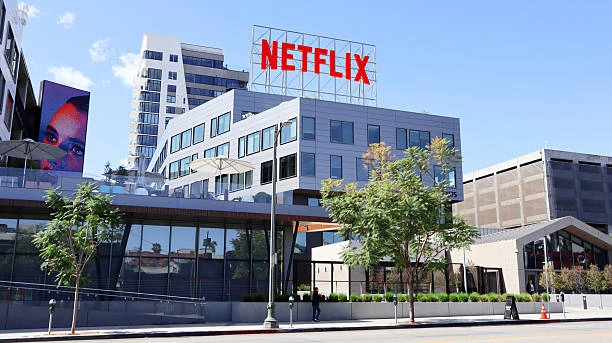
Is Netflix hiring remote jobs? Complete Guide
Remote work used to feel limited to a few industries, but that changed quickly. Now people look at big companies and wonder if those same opportunities exist there too. Streaming platforms especially get a lot of attention, and one name comes up again and again Netflix. If you’ve been browsing options like Remote Jobs, it’s natural to ask whether a company like this offers similar flexibility. The idea of working remotely for a global platform sounds appealing, but the reality is a bit more layered than a simple yes or no. Is Netflix hiring remote jobs The short answer is yes, but not in the way many people expect. When people search Is Netflix hiring remote jobs, they often imagine fully remote, location-free roles open to anyone worldwide. That’s not always the case. Netflix does offer Netflix remote jobs, but many of them are tied to specific regions or time zones. Some roles are labeled remote, while others are hybrid, meaning you might still need to be near an office location. Here’s a simple breakdown: Job Type Availability Fully Remote Limited, role-specific Hybrid More common On-site Still a large portion So yes, remote jobs at Netflix exist, but they tend to be selective and depend heavily on the role. What kinds of remote roles exist at Netflix The company doesn’t just hire for one type of position. It covers a wide range of departments, which opens up different remote job opportunities. Some common areas include: Department Example Roles Engineering Software developers, backend engineers Design Product designers, UI/UX roles Content Localization, content review Marketing Campaign managers, analysts Data Data scientists, analysts These roles often fall under tech remote jobs, though not exclusively. Some non-technical positions also allow remote flexibility. People exploring creative paths sometimes ask questions like learn UX without UI, and those skills can eventually connect to design-related Netflix careers. How Netflix approaches remote work Unlike companies that are fully remote-first, Netflix takes a more flexible approach. Some teams operate remotely, while others prefer in-person collaboration. This approach affects how work from home Netflix jobs are structured. Instead of offering blanket remote policies, the company evaluates each role individually. That means two similar roles might have different work setups depending on the team or department. Requirements for Netflix remote jobs Getting into Netflix job openings usually requires more than basic qualifications. The company is known for hiring experienced professionals. Typical requirements include: Requirement Details Experience Mid to senior level preferred Skills Strong technical or creative expertise Communication Clear and independent work style Adaptability Ability to work across teams For design-related roles, people starting out might explore paths like ui ux designer with no experience before aiming for larger companies. Are Netflix remote jobs available worldwide? This is where expectations often don’t match reality. Many people ask: does Netflix offer remote jobs for international applicants. The answer is mixed. Some roles are open globally, but many require candidates to be in specific countries due to legal, tax, or collaboration reasons. So while online jobs Netflix does list remote roles, they are not always location-free. How to apply for Netflix remote jobs online The application process is straightforward on the surface but competitive in practice. Here’s how it usually works: Step Description 1 Visit careers page 2 Search for remote roles 3 Submit application 4 Go through interviews The Netflix hiring process often includes multiple interview rounds, focusing on both technical skills and cultural fit. What makes Netflix different from other remote employers One thing people notice about streaming company jobs like these is the emphasis on independence. Employees are expected to manage their own time and deliver results without constant supervision. This aligns well with experienced professionals but can feel challenging for beginners. Salary expectations for remote roles Compensation at Netflix is often competitive. Salaries vary depending on role, experience, and location. For those curious about industry benchmarks, you can explore ui ux salary on average to get a general idea of design-related earnings. Here’s a rough comparison: Role Type Salary Range (Approx.) Engineering High Design Medium–High Marketing Medium Entry-level Limited availability Challenges of getting hired at Netflix It’s not just about applying. Competition is strong, and expectations are high. Common challenges include: That’s why many candidates build experience elsewhere before applying for Netflix careers. Building skills for Netflix remote jobs If you’re aiming for remote jobs at Netflix, skill development becomes important. Strong portfolios, real-world experience, and consistent learning all play a role.People interested in design roles often look into ui ux designer jobs as stepping stones before targeting larger companies. Comparing Netflix with other remote companies Not all companies operate like Netflix. Some are fully remote, while others maintain hybrid systems. Company Type Remote Flexibility Remote-first startups High Large corporations Medium Hybrid companies Mixed This comparison helps set realistic expectations when searching for remote job opportunities. Common misconceptions about Netflix remote jobs Many people assume: These assumptions often lead to confusion. The reality is more selective. Is Netflix a good option for remote work? For experienced professionals, yes. The flexibility, compensation, and work culture can be appealing. For beginners, it may take time to reach that level. Exploring roles like wordpress developer jobs or other entry-level options can help build experience first. Final thoughts on Netflix remote hiring So, Is Netflix hiring remote jobs? Yes, but with conditions. The opportunities exist, though they are not as open or widespread as some expect. The company leans toward experienced candidates, specific regions, and role-based flexibility. Understanding this helps avoid unrealistic expectations. In the end, getting into Netflix remote jobs is less about finding an opening and more about being ready when the right one appears.
What is Remote Job Etiquette? Complete Guide
Working from home sounds relaxed until you actually start doing it. There’s no office noise, no one watching over your shoulder, and no fixed structure unless you build one yourself. That freedom can feel great at first, especially for people stepping into latest Remote IT Jobs, but it also creates small gaps in behavior that are easy to overlook. Things like replying late, keeping cameras off all the time, or missing context in messages start to matter more than expected. Remote work is not just about finishing tasks. It’s about how you show up digitally. That’s where etiquette comes in. It shapes how others see your reliability, your communication style, and even your professionalism when there is no physical presence involved. What is Remote Job Etiquette? At a basic level, what is remote job etiquette comes down to behavior in a digital work environment. It includes how you communicate, how you attend meetings, how you respond to messages, and how consistently you stay available during work hours. Unlike office settings, where body language and tone fill in gaps, remote work depends heavily on written communication. That makes remote communication skills more important than many people expect. A short message can come across as rude if it lacks context. A delayed reply can look like disengagement. Remote work etiquette is really about reducing confusion. It helps teams function smoothly even when everyone is in different places. Here’s a simple breakdown: Area What It Involves Communication Clear, timely responses Meetings Being present and attentive Availability Respecting work hours Professional tone Maintaining clarity in messages The idea is not strict rules. It’s about consistency. Why remote etiquette feels different from office behavior Office behavior relies on visibility. People see you working, hear your tone, and notice your effort without you saying much. In remote setups, none of that exists. Everything becomes intentional. If you don’t say you’re working on something, others may assume you’re not. If you don’t respond, silence can be misread. This shift is why virtual workplace etiquette feels more demanding in subtle ways. It asks you to communicate more clearly, not less. People entering digital careers often notice this difference quickly. Even those exploring paths like can i learn UX without UI encounter communication expectations early, especially in collaborative work. Communication becomes the center of everything Remote work lives inside messages. Emails, chats, project tools—everything flows through them. That’s why remote team communication matters so much. Small habits shape how others understand you. Writing complete sentences, giving context, and avoiding one-word replies can make a big difference. Here’s a comparison that shows how tone can shift: Message Style How It Feels “Done” Abrupt, unclear “Task is complete, let me know if changes needed” Clear and cooperative No reply Disengaged Quick acknowledgment Active and present These small adjustments form the core of best practices for communication in remote jobs. The quiet rules of working from home There are unwritten work from home rules that people pick up over time. They’re not always documented, but teams expect them. For example, staying reachable during working hours matters. It doesn’t mean constant online presence, but it does mean not disappearing for long stretches without notice. Another part involves respecting boundaries. Just because work happens at home doesn’t mean it should stretch into personal time. This balance is part of work from home etiquette, which tries to keep both productivity and personal space intact. Online meetings feel small, but they matter Meetings online are different from in-person ones. There’s often a delay, people talk over each other, and it’s easy to lose focus. That’s why online meeting etiquette exists. It covers simple things like joining on time, muting when not speaking, and paying attention even if your camera is off. A few common meeting habits: Behavior Impact Joining late Disrupts flow Interrupting Creates confusion Staying silent always Reduces participation Engaging when needed Keeps discussion balanced People working in design or tech roles, including those starting as ui ux designer with no experience, often spend a lot of time in these meetings, so these habits become noticeable quickly. Professional behavior without a physical office Without an office environment, professionalism shifts into smaller actions. It shows up in how you write, how you respond, and how consistent your presence feels. Professional behavior remote jobs is not about dressing formally at home. It’s about reliability. When you say you will do something, you do it. When someone asks a question, you respond clearly. Tone also plays a role. Messages should feel neutral and respectful, even during stressful situations. This is part of digital workplace etiquette, where behavior is shaped through screens rather than physical interaction. Handling delays and expectations Delays happen. Internet issues, personal interruptions, or overlapping tasks can slow things down. What matters is how those delays are handled. Informing the team early helps avoid confusion. In remote environments, silence often causes more concern than delay itself. A simple message explaining the situation keeps trust intact. This habit falls under remote job best practices, where transparency matters more than perfection. Keeping boundaries without disconnecting Working from home can blur lines. Some people end up working longer hours, while others struggle to stay focused. Setting boundaries helps. Logging in on time, taking breaks, and logging out at a reasonable hour creates a rhythm. At the same time, being too rigid can affect collaboration. A balance between availability and personal time defines good work from home etiquette. Even conversations around earnings, like reading about ui ux salary on average, often connect back to how consistently someone shows up in remote work. Writing clearly becomes a daily skill In remote work, writing replaces speaking in many situations. That makes clarity essential. Messages should avoid ambiguity. Instead of saying “I’ll handle it,” it helps to specify what “it” refers to. Clear writing reduces misunderstandings and speeds up collaboration. Over time, it becomes part of natural remote communication skills. Building trust without face-to-face interaction Trust forms differently in remote teams. It

How do Taxes Work for Remote Jobs?
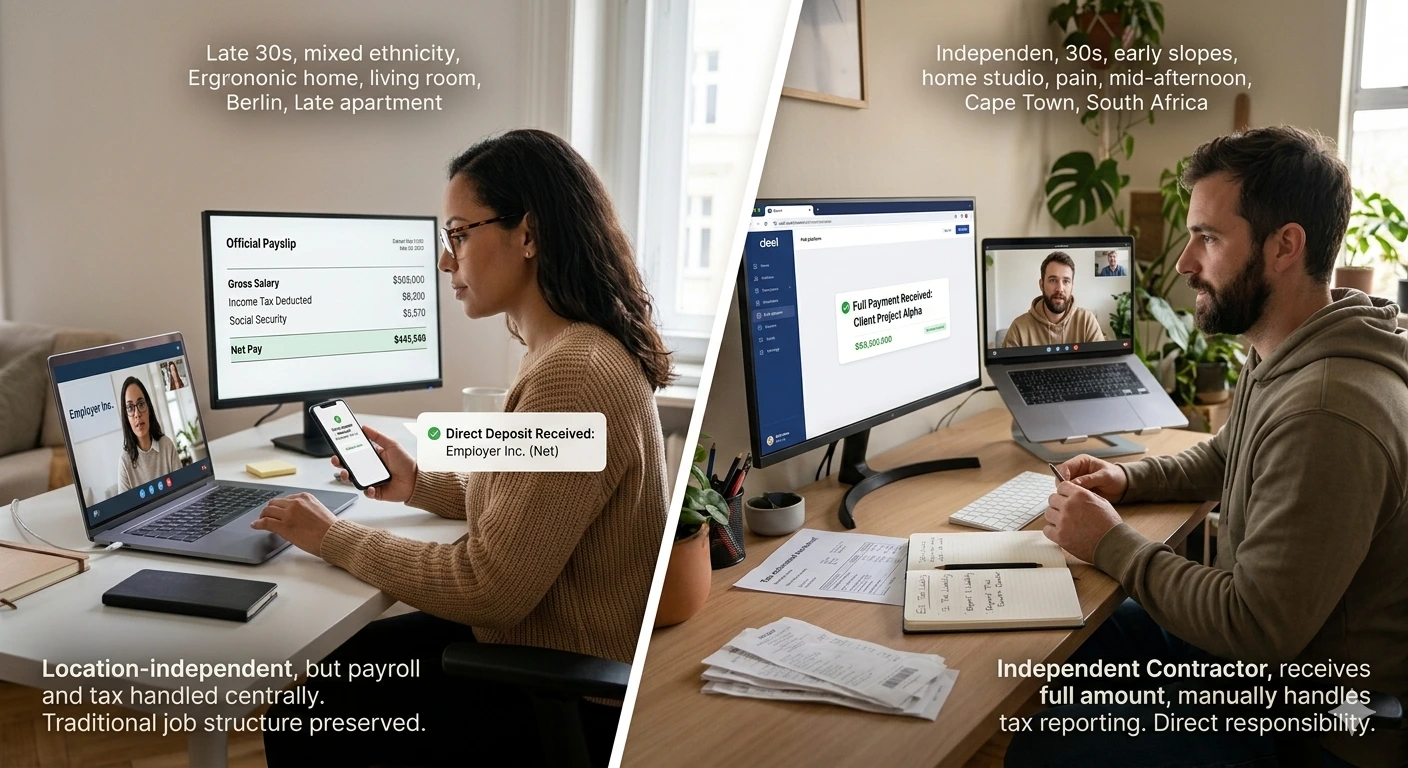
Remote work sounds simple from the outside. You work from home, send tasks online, get paid, and that’s the end of it. Taxes are where things become less obvious. The location of the company, the country where you live, and the way you are paid can all change how tax works. People who start working online through Remote IT Jobs or other digital roles often realize this later. At first everything feels like normal employment, just done from home. Then tax season arrives and the details start to matter. That confusion is the reason many people search for the same question: How do Taxes Work for Remote Jobs. The answer is not identical for everyone because remote work changes the usual rules around location and income. How do Taxes Work for Remote Jobs Taxes for remote work depend mainly on three things: where you live, where the employer is based, and whether you are an employee or an independent contractor. These three pieces shape the tax situation more than anything else. In traditional office jobs the process is straightforward. A company in your country hires you, deducts income tax from your salary, and sends that amount to the government. With remote jobs the structure may shift. Some companies still treat workers as employees. Others pay them as contractors. That difference affects how income tax is handled. Work Type Who Pays Tax Directly Typical Process Remote employee Employer handles deductions Salary arrives after tax Freelancer / contractor Worker reports income Taxes paid separately International contractor Worker reports income locally Employer usually does not deduct tax When someone asks How do Taxes Work for Remote Jobs, the first thing to check is which category their work falls into. The difference between remote employees and freelancers Remote workers usually fall into two groups. Employees and freelancers. Employees still have a traditional job structure. The company handles payroll and deducts income tax according to local regulations. In that case the remote part only changes the location of the desk, not the tax system. Freelancers work differently. They receive full payments and later report that income themselves. This is common for designers, developers, and writers working online. Some people begin learning digital skills first and then step into freelance work. Questions around career paths appear along the way. For example, beginners sometimes ask whether design skills can start from a single area like can i learn UX without UI before taking on remote work. The job path changes, but taxes follow the income source. Where you live usually decides your tax A common misunderstanding appears with international remote jobs. Some workers think they should pay tax in the country where the company operates. In many situations, tax is determined by where you live. Governments usually tax residents on their income regardless of where the employer sits. That means someone living in Pakistan, India, the US, or Europe may still pay tax locally even if the company paying them is located somewhere else. A simplified example looks like this. Worker Location Company Location Tax Usually Paid In Pakistan United States Pakistan India United Kingdom India Germany Canada Germany The system exists because governments tax residents, not workplaces. Why international remote work complicates taxes Things become less straightforward when remote workers travel or move between countries. If someone lives six months in one country and six months somewhere else, tax residency rules may change. Each government has its own threshold for residency. Another factor involves double taxation agreements. These agreements prevent the same income from being taxed twice by two different countries. Without those agreements, remote workers could face complicated reporting requirements. This is one reason many digital professionals eventually consult a tax advisor when income grows beyond simple freelance payments. The role of self-employment taxes Freelancers and contractors usually deal with self-employment taxes. Instead of an employer deducting taxes automatically, they report their income themselves. Payments may arrive through bank transfers, digital payment platforms, or international payroll services. At the end of the year, the worker calculates total income and reports it to the tax authority. This setup is common among designers, developers, and digital specialists working online. Some people entering design fields through guides about ui ux designer with no experience end up freelancing first rather than joining a traditional company. That shift from salary to self-managed income changes how taxes are calculated. How remote income is usually reported Reporting remote income is usually not complicated, but it requires careful record keeping. Workers track payments they receive during the year and categorize them as income from services. Expenses related to the work can sometimes be deducted. Typical deductible items may include: Work Expense Example Equipment Laptop or monitor Internet costs Monthly connection used for work Software Design tools or coding platforms Workspace costs Part of rent or utilities in some countries These deductions reduce taxable income in some tax systems. Why some remote workers pay estimated taxes Freelancers in certain countries pay taxes quarterly instead of once per year. This happens because governments expect tax payments throughout the year when income is not automatically deducted by an employer. If a freelancer waits until the end of the year to pay everything, they may face penalties. Estimated taxes spread the payments across the year, which keeps things predictable for both the worker and the government. Digital careers and tax awareness Remote work expanded quickly through technology jobs. Developers, designers, content writers, and support specialists now work across borders. Many of them start with smaller projects before landing full remote roles. As income increases, questions about financial planning appear naturally. Design professionals especially look at career growth and earnings. Articles discussing how much ui ux salary on average often become part of that research, because salary expectations influence tax planning. Higher income means a higher tax bracket in many countries. Payment methods used in remote jobs Remote workers receive payments in several ways depending on the company or client. Payment Method Common Use Bank transfer Long-term

Does a Remote Job Mean Work From Home?
The way people talk about jobs has shifted quite a bit over the last few years. Words like remote work, online roles, flexible jobs, and home-based employment show up everywhere now. At first glance they sound similar, almost interchangeable. Someone browsing listings for Remote IT Jobs might assume every remote position means sitting at a desk at home every day. That assumption feels logical, but the reality is a little more layered. Well, the answer of this question Does a Remote Job Mean Work From Home? is that the remote work meaning has expanded beyond the idea of simply staying home while working. Many companies use the term in slightly different ways depending on their structure, location, and expectations for employees. A person might hold one of many remote jobs and still spend time traveling, working from coworking spaces, or occasionally visiting a company office. In some cases the employee chooses the location completely. In other situations the company limits where work can happen. Because of these differences, understanding the relationship between remote work and work from home jobs becomes important before applying for any position. Does a Remote Job Mean Work From Home People often search the question Does a Remote Job Mean Work From Home because job listings rarely explain the distinction clearly. The short answer is that sometimes it does, and sometimes it does not. The term “remote” describes how work connects to the company rather than where it happens physically. Remote employment simply means that the employee is not required to work from the company’s central office every day. The job might still allow different work environments. Someone could complete tasks from home one week and from a coworking space the next. Others might travel while working, which is common among people in digital nomad jobs. In contrast, traditional work from home jobs usually imply that the home is the primary work location. Employers design these roles around the assumption that the employee will consistently operate from their residence. That difference might sound small, yet it changes how the job functions in practice. Understanding the basic remote work meaning To understand remote employment properly, it helps to step back and examine the broader remote work meaning. Remote work describes a work arrangement where employees perform tasks outside the central office using internet-based communication tools. Companies rely on messaging platforms, project boards, and video calls to keep teams connected. This structure allows people to contribute from almost anywhere. Because the internet removes location barriers, many online jobs now operate fully remotely. Interestingly, people entering design or tech fields sometimes ask questions like can i learn UX without UI, especially when exploring remote career paths. The curiosity usually comes from the same place: remote careers open opportunities across different specialties, and people want to understand which skills fit those environments. Remote work vs work from home: where the confusion begins The phrase remote work vs work from home often appears in career discussions because the two ideas overlap but are not identical. Remote work focuses on flexibility of location. Work-from-home roles focus on a specific location home. A remote employee might work from a home office, but the company might also allow them to relocate or travel. Meanwhile, some home based jobs require the employee to remain in one location because of security policies, equipment requirements, or time-zone coordination. Here is a simple comparison that helps illustrate the difference. Work Style Location Flexibility Typical Setup Example Role Remote job High flexibility Laptop and internet anywhere Software developer Work from home job Mostly home-based Dedicated home office Customer support agent Hybrid work model Split between office and home Office + remote tools Marketing manager Virtual job Fully digital environment Online platforms only Content writer This comparison shows why the terms often overlap but still describe different structures. Why companies choose remote employment Organizations adopt remote structures for many reasons. Cost savings are one factor. Without large offices, companies reduce expenses related to rent, utilities, and physical infrastructure. Another reason involves access to talent. Remote hiring allows businesses to recruit from a global pool instead of limiting candidates to one city. This broader reach explains the rapid growth of remote jobs across industries. Employees also benefit. People who prefer flexible schedules or independent environments often thrive in remote setups. The growth of virtual jobs reflects that demand. Career paths that commonly offer remote work Several industries naturally support remote environments because their tasks rely primarily on digital tools. Technology, design, writing, marketing, and support roles frequently operate online. For example, someone interested in design may search opportunities like ui ux designer with no experience to see how entry-level roles fit remote environments. Many of these jobs involve digital collaboration rather than physical office tasks, making remote work practical. Below is a brief overview of common remote career paths. Industry Typical Remote Role Work Environment Technology Software developer Fully remote teams Design UX/UI designer Online collaboration tools Writing Content creator Freelance or remote employment Customer support Service representative Home-based call systems Marketing Digital marketing specialist Remote project teams Each field approaches remote work slightly differently, but the shared element is online collaboration. Hybrid work models and their growing popularity Not every company commits fully to remote employment. Many organizations experiment with the hybrid work model, blending office presence with remote flexibility. Employees might work remotely three days a week and visit the office occasionally for meetings or collaborative sessions. This model attempts to balance independence with team interaction. The hybrid structure also helps companies transition gradually toward remote environments without abandoning office infrastructure completely. Digital nomad jobs and location freedom The concept of digital nomad jobs grew alongside remote employment. Digital nomads travel while working online, sometimes moving between cities or even countries. These professionals rely heavily on remote communication tools and flexible schedules. Their lifestyle represents the most extreme version of location independence. Not every remote job allows that level of mobility, though. Some employers require workers to remain

Do Remote Jobs Send you a Check for Equipment? Complete Guide
Remote work has shifted how companies support employees. When someone gets hired for a work-from-home role, questions about equipment usually come up quickly. Laptops, monitors, desks, even internet reimbursement these are now normal parts of remote job discussions. People entering fields like Remote IT Jobs or digital design roles often wonder whether companies send money directly to purchase equipment or if they ship devices themselves. Some companies provide hardware directly. Others offer reimbursements or allowances. And occasionally, a company may send funds so a new employee can buy specific items. Because of this mix of policies, job seekers often start asking whether remote employers really send checks or if those offers are warning signs. The answer is not always simple, and understanding how equipment policies work can help avoid confusion or even scams. Do Remote Jobs Send you a Check for Equipment? The short answer to Do Remote Jobs Send you a Check for Equipment is: sometimes, but not always. Most legitimate companies do not simply mail a random check without context. Instead, they usually follow structured processes like providing company hardware, offering reimbursements, or giving a small remote work setup allowance. Some organizations still use the traditional remote job equipment check method. In this model, the employer sends funds and asks the employee to purchase items from approved vendors. While this approach exists, it has become less common due to fraud risks. Modern remote companies prefer direct shipping of devices or controlled reimbursement systems. Here is a general breakdown of how remote companies handle equipment. Equipment Support Method How It Works Common Use Case Company-provided hardware Laptop and devices shipped to employee Tech companies, software firms Reimbursement Employee buys equipment and submits receipt Startups, freelance contracts Setup allowance Fixed amount for home office Remote-first organizations Equipment check Company sends funds to purchase gear Less common today Each method reflects a company’s remote job equipment policy, and employees should review these policies carefully during onboarding. How Remote Companies Provide Equipment to Employees Remote employers typically support workers in one of three ways. The most common is shipping equipment directly to the employee’s address. In that situation, the company owns the devices and handles maintenance, replacement, and security updates. Another method involves work from home equipment reimbursement, where the employee purchases equipment themselves and submits proof of purchase. Many companies cap reimbursements at a certain amount, often called a work from home equipment stipend. People entering digital design fields sometimes encounter this policy early. Many beginners researching design careers also look into can i learn UX without UI, because they want to transition into remote roles quickly. Once hired, those workers may receive reimbursement for design tools, monitors, or tablets required for their workflow. Finally, there is the remote work setup allowance, which provides a fixed amount sometimes $300 to $1,500—to build a basic home office. Why Some Companies Send Equipment Instead of Money A growing number of remote companies avoid sending money altogether. Instead, they ship preconfigured devices. This approach keeps security under control. If a company provides a remote work laptop provided through internal IT teams, they can manage encryption, software installation, and updates. Security matters because remote employees often handle sensitive company data. When devices are purchased individually by employees, it becomes harder to guarantee that those machines meet company security standards. This is why direct shipment of company equipment for remote jobs has become the dominant model in many industries. The Rise of Remote Work Setup Allowances Another approach companies use is providing a home office allowance. Instead of sending a remote job equipment check, the company offers a fixed budget employees can spend on ergonomic chairs, monitors, or keyboards. These allowances are sometimes issued as part of a remote job equipment reimbursement policy. Workers buy what they need and submit receipts afterward. The employer then reimburses those costs through payroll or expense reports. This method gives employees flexibility while still maintaining documentation for accounting purposes. Starting Remote Careers Without Experience Many people exploring remote work start with entry-level roles in design or development. Beginners researching design careers often look into ui ux designer with no experience opportunities, since these positions frequently allow remote work. When these employees join companies, they may receive remote job equipment support such as a laptop, design software license, or stipend for accessories like drawing tablets or external monitors. This highlights how equipment policies vary depending on industry and role. When a Remote Job Equipment Check Might Be a Red Flag While legitimate companies sometimes provide funds, job seekers should be cautious. Many remote job hiring scams revolve around equipment checks. The typical scam follows this pattern: Understanding how to avoid remote job equipment check scams is critical. Real companies rarely pressure employees to purchase equipment from unusual vendors or send large checks before official onboarding. How Legitimate Remote Companies Handle Equipment Purchases Most genuine organizations follow predictable systems. Instead of random payments, they create structured processes for equipment support. Process Type Typical Steps Risk Level Company shipment IT department sends devices Very low Reimbursement Employee submits receipts Low Setup allowance Budget provided through payroll Low Equipment check Funds sent for purchases Moderate The remote job equipment reimbursement process explained usually involves submitting invoices or receipts through internal HR systems. This structure protects both the company and the employee. Industries Where Equipment Support Is Common Certain remote careers almost always involve company-provided equipment. These include: People exploring design roles often research how much ui ux salary on average before entering the field, and those salaries frequently include equipment stipends or company-provided laptops. These benefits make remote roles more accessible, especially for professionals who cannot afford high-end equipment at the start. Do Work From Home Jobs Send Money for Equipment? The question do work from home jobs send money for equipment is closely related to reimbursement policies. Many organisations do offer financial support, but it is rarely sent as a random check. Instead, it appears as: These methods reduce fraud and simplify

What are High Paying Remote Jobs? Complete Guide
Remote work used to feel like a small corner of the job market. A few tech roles, some freelance writing, maybe customer support. That picture changed quickly once companies realized people could work from anywhere with a stable internet connection. Suddenly the idea of earning a strong income from home didn’t seem unrealistic anymore. Many professionals started looking at options like Remote IT Jobs, marketing roles, or design positions that allow work from anywhere. Some people imagine remote work as low‑pay freelancing. Others picture full tech careers with six‑figure salaries. The truth sits somewhere between those ideas. There are remote roles across many industries, and quite a few of them pay surprisingly well. What are High Paying Remote Jobs? When people ask what are high paying remote jobs, they’re usually thinking about careers that allow someone to work from home while earning salaries comparable to office roles. These jobs exist across technology, design, finance, marketing, and consulting. The most reliable pattern is skill specialization. Roles that require strong technical or analytical skills tend to offer higher remote jobs salary ranges. Companies hiring remotely still compete for experienced professionals, so compensation often stays competitive. Here are some examples of fields where high paying remote jobs appear frequently. Industry Common Remote Roles Typical Salary Range Software Development Backend developer, full‑stack engineer $90k – $150k Design UI/UX designer, product designer $70k – $120k Data & Analytics Data scientist, data analyst $80k – $140k Marketing SEO strategist, growth marketer $60k – $110k Cybersecurity Security analyst, consultant $100k – $160k These roles represent some of the best remote jobs available today. How remote careers started paying more For a long time companies believed productivity depended on physical offices. That assumption slowly faded. Teams realized projects could move forward even when employees were working across cities or continents. Once remote work became normal, companies began hiring globally. Skilled workers suddenly had access to international employers. That shift increased remote work income potential for many professionals. Some people exploring design roles start with questions like can i learn UX without UI, especially when considering creative remote careers. The design field alone now includes many remote job opportunities that didn’t exist widely a decade ago. Industries where remote jobs pay the most Not every profession adapts easily to remote work. Fields that rely heavily on computers and digital tools tend to dominate the remote job market. Industry Why It Works Remotely Software engineering Work is entirely digital Design Collaboration tools allow remote workflows Marketing Campaign management happens online Finance & consulting Data analysis and strategy work remotely Content creation Writing and editing require minimal equipment These sectors produce many online high paying jobs because tasks can be completed from anywhere. The growth of these industries also created a broader category of work from home high paying jobs for professionals with digital skills. Technology roles dominating the remote job market Technology continues to lead the list of high paying remote jobs. Software engineers, cloud specialists, and cybersecurity experts often work remotely without much difficulty. The nature of programming supports remote collaboration. Developers share code repositories, communicate through project tools, and run applications on cloud servers. Some examples of remote tech jobs include: Job Title Estimated Remote Salary Software Developer $100k – $150k DevOps Engineer $110k – $160k Cloud Architect $120k – $170k Cybersecurity Specialist $100k – $150k These positions frequently appear in lists of remote jobs that pay over 100k. Design careers that work remotely Design is another field where remote careers have expanded quickly. Companies constantly need digital products, apps, and websites that look good and function smoothly. UI and UX design roles often operate fully online. Designers collaborate with product teams using design platforms and feedback tools. People entering the field sometimes research ui ux designer with no experience before pursuing design roles. Even junior positions can grow into well‑paid remote careers after a few years of experience. Many product designers working remotely now earn salaries similar to in‑office positions. Marketing and content roles in remote work Marketing teams increasingly operate as distributed groups. Campaign planning, analytics, and content production rarely require a physical office. That flexibility opened the door for many online high paying jobs in areas like: Marketing Role Salary Potential SEO strategist $60k – $100k Content marketing manager $70k – $110k Digital advertising specialist $70k – $120k Growth marketer $80k – $130k These roles contribute heavily to the remote job market because companies run marketing campaigns across digital platforms anyway. Freelance careers that generate strong remote income Not all high paying remote jobs exist within traditional employment. Freelance professionals sometimes earn strong income by working with multiple clients. Freelance careers often include: Experienced freelancers sometimes build remote work income streams that exceed typical salaries. The flexibility also allows professionals to choose projects rather than fixed company roles. Understanding salary ranges in remote jobs Salary expectations vary depending on skill level, industry, and employer location. Some companies pay globally competitive salaries, while others adjust compensation based on regional cost of living. Professionals exploring design careers sometimes research how much ui ux salary on average before entering the field. That curiosity reflects a broader pattern: people want to know whether remote roles offer similar pay compared to office jobs. In many cases, they do. Highly skilled professionals working remotely often receive compensation similar to traditional employees. Best high paying remote jobs in 2025 Certain roles consistently appear on lists of the best high paying remote jobs in 2025. Job Title Industry Remote Salary Potential Software engineer Tech $100k – $160k Data scientist Analytics $95k – $150k Product designer Design $80k – $130k Cybersecurity analyst Security $100k – $150k Technical writer Content $70k – $120k These positions represent some of the highest paying work from home careers currently available. Entry points for beginners exploring remote careers Some people assume remote work requires years of experience before becoming accessible. That’s partly true for high‑level roles, but beginners still find entry points. Entry‑level roles sometimes include: Entry Role

How to Filter Remote Jobs on Linkedin?
People looking for flexible work usually end up on LinkedIn sooner or later. It’s one of the biggest places where companies post roles, and remote listings appear there every day. The problem is not finding jobs the problem is filtering them. Scroll long enough and the results mix everything together: hybrid roles, onsite positions, and occasionally something fully remote. That’s why many job seekers begin exploring ways to narrow things down, often while browsing opportunities like Remote IT Jobs or other digital career paths that allow them to work from anywhere. Lets learn How to Filter Remote Jobs on Linkedin? The good news is LinkedIn already provides tools that help refine job searches. They’re just not always obvious at first. Learning to use the filters properly makes the difference between seeing thousands of irrelevant listings and actually spotting remote work opportunities that match your skills. How to Filter Remote Jobs on Linkedin Understanding How to Filter Remote Jobs on Linkedin starts with the basic LinkedIn job search interface. When you search for a job title, LinkedIn shows a mix of positions from different locations and work styles. Some will be fully remote, some hybrid, and others office-based. The remote job filter exists to narrow that list. Once you apply it, LinkedIn shows only positions labeled as remote. This helps people who specifically want work from home jobs LinkedIn listings instead of traditional office roles. Here’s the general process most users follow: Step Action 1 Open the LinkedIn job search page 2 Enter a job title or keyword 3 Click the Location filter 4 Select Remote 5 Apply additional LinkedIn job filters if needed After applying the remote job filter, the platform refreshes the results to show only relevant remote work opportunities. Starting a LinkedIn job search the right way Before applying filters, it helps to begin with a focused LinkedIn job search. Typing vague keywords like “online work” usually produces messy results. Clear job titles produce better matches. For example, searching for “content writer,” “software developer,” or “SEO specialist” immediately narrows the list. Once the base search is accurate, the remote job filter becomes more useful. People often explore different digital career paths during this process. Someone considering design roles may ask questions like can i learn UX without UI, especially because many design and tech roles appear frequently in LinkedIn remote jobs listings. The more specific your keyword search is, the better the results will look after applying LinkedIn job filters. Using the remote job filter effectively LinkedIn includes multiple filtering tools beyond the basic remote option. Combining them helps produce more accurate results. Here are the most common LinkedIn job filters used with remote searches: Filter Purpose Location Choose “Remote” Experience Level Entry level, associate, senior Job Type Full-time, contract, part-time Date Posted Last 24 hours, last week Company Specific employers Using these filters together helps reduce clutter and reveal genuine work from home jobs LinkedIn listings. Why remote job filters matter The remote job market is crowded. Thousands of people apply to the same positions, and LinkedIn remote jobs attract global applicants. Without filtering, job seekers often waste time reading descriptions that ultimately require relocation or office attendance. The remote job filter prevents that problem. Another benefit is speed. Instead of scrolling through endless postings, the platform shows remote work opportunities directly related to your search. This becomes especially helpful for people pursuing digital remote careers, where location flexibility is part of the appeal. Exploring remote careers on LinkedIn Some industries appear more frequently in LinkedIn remote jobs listings than others. Industry Common Remote Roles Technology developers, QA engineers Marketing SEO specialists, social media managers Design UI and UX designers Writing content writers, editors Customer Support chat and support agents Because design roles often appear in remote listings, people exploring that path sometimes research starting points such as ui ux designer with no experience before applying for positions. Remote job search success often depends on choosing a field where remote work already exists. Advanced LinkedIn job filters for remote work LinkedIn also provides additional tools that refine searches further. These filters help job seekers focus on relevant online jobs LinkedIn listings rather than browsing random results. For instance, the Date Posted filter helps prioritize fresh opportunities. Applying within the first 24 hours often increases the chance of being noticed. Another helpful option is Company Filter, which allows candidates to search for organizations known for remote work policies. Combining these filters creates a much cleaner LinkedIn career search experience. Setting LinkedIn job alerts for remote roles Searching manually every day quickly becomes exhausting. LinkedIn job alerts automate that process. When you perform a search using the remote job filter, LinkedIn offers an option to create alerts for that search. After enabling the alert, LinkedIn sends notifications whenever new remote job listings appear. Here’s how alerts usually work: Step Action 1 Run a filtered LinkedIn job search 2 Toggle the Job Alert switch 3 Choose email or app notifications 4 Receive updates automatically This feature ensures you don’t miss new remote work opportunities posted after your last search. Understanding the remote hiring process Applying for LinkedIn remote jobs feels slightly different from traditional job applications. Employers rely heavily on digital screening. Instead of in-person meetings, candidates usually go through video interviews, online assessments, or written tests. Communication skills and independent work habits become important factors. Remote employers often check whether candidates have previous experience working online or managing tasks without supervision. Salary expectations in remote roles Salary expectations vary widely depending on the industry and level of expertise. Technology and design roles tend to offer higher pay than entry-level customer support positions. When evaluating career paths, many people research compensation benchmarks. A common example involves checking how much ui ux salary on average to understand potential earnings before pursuing design roles. Salary also depends on company location, experience level, and job responsibilities. Improving your LinkedIn profile for remote work Filtering remote jobs is only half the process. A