The way people talk about jobs has shifted quite a bit over the last few years. Words like remote work, online roles, flexible jobs, and home-based employment show up everywhere now. At first glance they sound similar, almost interchangeable. Someone browsing listings for Remote IT Jobs might assume every remote position means sitting at a desk at home every day. That assumption feels logical, but the reality is a little more layered.
Well, the answer of this question Does a Remote Job Mean Work From Home? is that the remote work meaning has expanded beyond the idea of simply staying home while working. Many companies use the term in slightly different ways depending on their structure, location, and expectations for employees.

A person might hold one of many remote jobs and still spend time traveling, working from coworking spaces, or occasionally visiting a company office. In some cases the employee chooses the location completely. In other situations the company limits where work can happen. Because of these differences, understanding the relationship between remote work and work from home jobs becomes important before applying for any position.
Table of Contents
Does a Remote Job Mean Work From Home
People often search the question Does a Remote Job Mean Work From Home because job listings rarely explain the distinction clearly. The short answer is that sometimes it does, and sometimes it does not. The term “remote” describes how work connects to the company rather than where it happens physically.
Remote employment simply means that the employee is not required to work from the company’s central office every day. The job might still allow different work environments. Someone could complete tasks from home one week and from a coworking space the next. Others might travel while working, which is common among people in digital nomad jobs.
In contrast, traditional work from home jobs usually imply that the home is the primary work location. Employers design these roles around the assumption that the employee will consistently operate from their residence. That difference might sound small, yet it changes how the job functions in practice.
Understanding the basic remote work meaning
To understand remote employment properly, it helps to step back and examine the broader remote work meaning. Remote work describes a work arrangement where employees perform tasks outside the central office using internet-based communication tools.
Companies rely on messaging platforms, project boards, and video calls to keep teams connected. This structure allows people to contribute from almost anywhere. Because the internet removes location barriers, many online jobs now operate fully remotely.
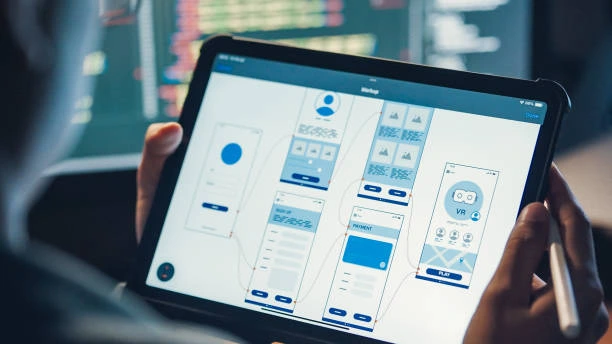
Interestingly, people entering design or tech fields sometimes ask questions like can i learn UX without UI, especially when exploring remote career paths. The curiosity usually comes from the same place: remote careers open opportunities across different specialties, and people want to understand which skills fit those environments.
Remote work vs work from home: where the confusion begins
The phrase remote work vs work from home often appears in career discussions because the two ideas overlap but are not identical. Remote work focuses on flexibility of location. Work-from-home roles focus on a specific location home.
A remote employee might work from a home office, but the company might also allow them to relocate or travel. Meanwhile, some home based jobs require the employee to remain in one location because of security policies, equipment requirements, or time-zone coordination.
Here is a simple comparison that helps illustrate the difference.
| Work Style | Location Flexibility | Typical Setup | Example Role |
|---|---|---|---|
| Remote job | High flexibility | Laptop and internet anywhere | Software developer |
| Work from home job | Mostly home-based | Dedicated home office | Customer support agent |
| Hybrid work model | Split between office and home | Office + remote tools | Marketing manager |
| Virtual job | Fully digital environment | Online platforms only | Content writer |
This comparison shows why the terms often overlap but still describe different structures.
Why companies choose remote employment
Organizations adopt remote structures for many reasons. Cost savings are one factor. Without large offices, companies reduce expenses related to rent, utilities, and physical infrastructure.
Another reason involves access to talent. Remote hiring allows businesses to recruit from a global pool instead of limiting candidates to one city. This broader reach explains the rapid growth of remote jobs across industries.
Employees also benefit. People who prefer flexible schedules or independent environments often thrive in remote setups. The growth of virtual jobs reflects that demand.
Career paths that commonly offer remote work
Several industries naturally support remote environments because their tasks rely primarily on digital tools. Technology, design, writing, marketing, and support roles frequently operate online.
For example, someone interested in design may search opportunities like ui ux designer with no experience to see how entry-level roles fit remote environments. Many of these jobs involve digital collaboration rather than physical office tasks, making remote work practical.
Below is a brief overview of common remote career paths.
| Industry | Typical Remote Role | Work Environment |
|---|---|---|
| Technology | Software developer | Fully remote teams |
| Design | UX/UI designer | Online collaboration tools |
| Writing | Content creator | Freelance or remote employment |
| Customer support | Service representative | Home-based call systems |
| Marketing | Digital marketing specialist | Remote project teams |
Each field approaches remote work slightly differently, but the shared element is online collaboration.
Hybrid work models and their growing popularity
Not every company commits fully to remote employment. Many organizations experiment with the hybrid work model, blending office presence with remote flexibility.
Employees might work remotely three days a week and visit the office occasionally for meetings or collaborative sessions. This model attempts to balance independence with team interaction.
The hybrid structure also helps companies transition gradually toward remote environments without abandoning office infrastructure completely.
Digital nomad jobs and location freedom
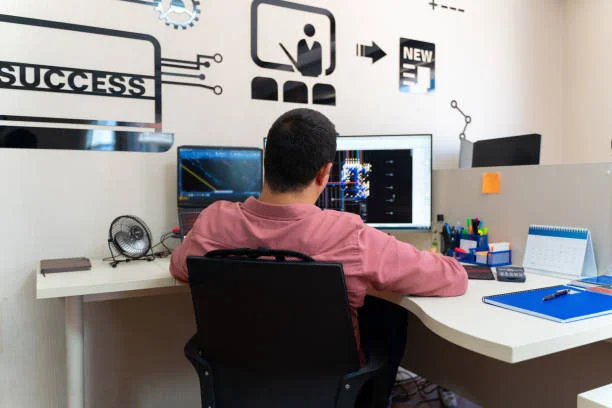
The concept of digital nomad jobs grew alongside remote employment. Digital nomads travel while working online, sometimes moving between cities or even countries.
These professionals rely heavily on remote communication tools and flexible schedules. Their lifestyle represents the most extreme version of location independence.
Not every remote job allows that level of mobility, though. Some employers require workers to remain within specific time zones or regions for legal and coordination reasons.
Challenges that come with remote work
Remote work offers freedom, yet it introduces its own challenges. Communication sometimes becomes slower when teams rely entirely on digital platforms. Without face-to-face interaction, misunderstandings can occur more easily.
Another difficulty involves work-life balance. When home based jobs blend personal and professional environments, employees may struggle to disconnect from work hours.
Companies address these issues through structured schedules, regular check-ins, and collaborative tools that keep teams aligned.
Salary expectations in remote roles
Compensation for remote workers varies widely depending on the field, experience level, and company location. Many job seekers research topics like how much ui ux salary on average before entering remote design careers.
Remote work sometimes changes salary structures because companies recruit globally. In certain cases employers adjust pay based on regional living costs. Other organizations offer standardized compensation regardless of location.
A simplified salary comparison might look like this:
| Job Role | Average Remote Salary Range | Work Style |
|---|---|---|
| Content writer | $40k – $70k | Fully remote |
| UX designer | $70k – $120k | Remote or hybrid |
| Software developer | $90k – $150k | Mostly remote |
| Customer support | $35k – $60k | Work from home |
These figures vary widely but show how remote opportunities span many income levels.
How remote hiring changed the job market
Before widespread remote adoption, many professionals had to relocate for career growth. Remote employment changed that dynamic. People can now work for companies located across the country or across the world without moving.
This shift expanded the availability of online jobs and reduced geographic barriers in hiring. The internet effectively became a shared workspace connecting teams across continents.
As a result, many professionals explore fields like ui ux designer job because the digital nature of design work aligns well with remote environments.
Skills that make remote work easier
Certain abilities make remote work smoother. Self-discipline ranks high on that list. Without a physical office structure, employees must manage schedules independently.
Communication skills also matter. Clear writing, thoughtful messages, and organized documentation help remote teams function efficiently.
Technical familiarity with collaboration platforms project boards, messaging apps, and video meeting software—also helps employees adapt quickly to remote environments.
The relationship between remote jobs and freelancing
Freelancing and remote employment sometimes overlap, though they remain different arrangements. Freelancers typically work independently for multiple clients. Remote employees work for a single company but perform their duties outside the office.
Both structures rely heavily on digital communication, which is why they are often grouped together under the broader category of virtual jobs.
Many developers, for instance, explore roles like wordpress developer jobs, which frequently appear as remote or freelance opportunities depending on the employer.
Does remote always mean working alone?
Another misconception is that remote employees always work independently. In reality, most remote teams communicate constantly through digital platforms. Video meetings, shared documents, and messaging channels keep projects moving.
The difference lies in location rather than collaboration. Remote teams remain connected; they simply interact through digital spaces instead of physical offices.
So does a remote job always mean work from home
The question does a remote job always mean work from home returns to the same central idea. Remote work removes the requirement to sit in a company office. It does not necessarily limit work to a single location.
Some roles function entirely from a home office. Others allow travel, coworking spaces, or temporary relocation. The structure depends on company policy and job responsibilities.
Understanding the difference between remote work and work from home jobs helps job seekers evaluate listings more carefully. A role labeled remote might offer flexibility beyond the home environment.
Final thoughts on remote work and home-based jobs
The modern workforce includes many variations of remote employment. Some roles truly operate from home every day, while others allow movement between different locations.
Understanding the remote work meaning helps clarify these possibilities. Remote jobs describe how people connect to their employers rather than where they physically sit.
For anyone exploring work from home jobs, online jobs, or broader remote jobs, the key step is reading job descriptions carefully. Each company defines remote work slightly differently. Once that distinction becomes clear, navigating the remote job market becomes far easier.