Working from home sounds relaxed until you actually start doing it. There’s no office noise, no one watching over your shoulder, and no fixed structure unless you build one yourself. That freedom can feel great at first, especially for people stepping into latest Remote IT Jobs, but it also creates small gaps in behavior that are easy to overlook. Things like replying late, keeping cameras off all the time, or missing context in messages start to matter more than expected.
Remote work is not just about finishing tasks. It’s about how you show up digitally. That’s where etiquette comes in. It shapes how others see your reliability, your communication style, and even your professionalism when there is no physical presence involved.
Table of Contents
What is Remote Job Etiquette?
At a basic level, what is remote job etiquette comes down to behavior in a digital work environment. It includes how you communicate, how you attend meetings, how you respond to messages, and how consistently you stay available during work hours.
Unlike office settings, where body language and tone fill in gaps, remote work depends heavily on written communication. That makes remote communication skills more important than many people expect. A short message can come across as rude if it lacks context. A delayed reply can look like disengagement.
Remote work etiquette is really about reducing confusion. It helps teams function smoothly even when everyone is in different places.
Here’s a simple breakdown:
| Area | What It Involves |
|---|---|
| Communication | Clear, timely responses |
| Meetings | Being present and attentive |
| Availability | Respecting work hours |
| Professional tone | Maintaining clarity in messages |
The idea is not strict rules. It’s about consistency.
Why remote etiquette feels different from office behavior
Office behavior relies on visibility. People see you working, hear your tone, and notice your effort without you saying much. In remote setups, none of that exists.
Everything becomes intentional. If you don’t say you’re working on something, others may assume you’re not. If you don’t respond, silence can be misread.
This shift is why virtual workplace etiquette feels more demanding in subtle ways. It asks you to communicate more clearly, not less.
People entering digital careers often notice this difference quickly. Even those exploring paths like can i learn UX without UI encounter communication expectations early, especially in collaborative work.
Communication becomes the center of everything
Remote work lives inside messages. Emails, chats, project tools—everything flows through them.
That’s why remote team communication matters so much. Small habits shape how others understand you. Writing complete sentences, giving context, and avoiding one-word replies can make a big difference.
Here’s a comparison that shows how tone can shift:
| Message Style | How It Feels |
|---|---|
| “Done” | Abrupt, unclear |
| “Task is complete, let me know if changes needed” | Clear and cooperative |
| No reply | Disengaged |
| Quick acknowledgment | Active and present |
These small adjustments form the core of best practices for communication in remote jobs.
The quiet rules of working from home
There are unwritten work from home rules that people pick up over time. They’re not always documented, but teams expect them. For example, staying reachable during working hours matters. It doesn’t mean constant online presence, but it does mean not disappearing for long stretches without notice. Another part involves respecting boundaries. Just because work happens at home doesn’t mean it should stretch into personal time. This balance is part of work from home etiquette, which tries to keep both productivity and personal space intact.
Online meetings feel small, but they matter
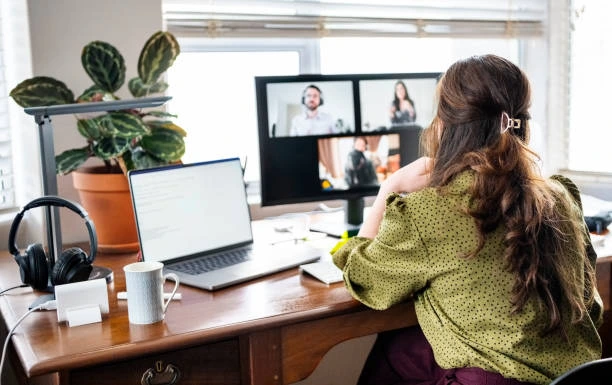
Meetings online are different from in-person ones. There’s often a delay, people talk over each other, and it’s easy to lose focus. That’s why online meeting etiquette exists. It covers simple things like joining on time, muting when not speaking, and paying attention even if your camera is off.
A few common meeting habits:
| Behavior | Impact |
|---|---|
| Joining late | Disrupts flow |
| Interrupting | Creates confusion |
| Staying silent always | Reduces participation |
| Engaging when needed | Keeps discussion balanced |
People working in design or tech roles, including those starting as ui ux designer with no experience, often spend a lot of time in these meetings, so these habits become noticeable quickly.
Professional behavior without a physical office
Without an office environment, professionalism shifts into smaller actions. It shows up in how you write, how you respond, and how consistent your presence feels. Professional behavior remote jobs is not about dressing formally at home. It’s about reliability. When you say you will do something, you do it. When someone asks a question, you respond clearly.
Tone also plays a role. Messages should feel neutral and respectful, even during stressful situations. This is part of digital workplace etiquette, where behavior is shaped through screens rather than physical interaction.
Handling delays and expectations
Delays happen. Internet issues, personal interruptions, or overlapping tasks can slow things down.
What matters is how those delays are handled. Informing the team early helps avoid confusion.
In remote environments, silence often causes more concern than delay itself. A simple message explaining the situation keeps trust intact. This habit falls under remote job best practices, where transparency matters more than perfection.
Keeping boundaries without disconnecting
Working from home can blur lines. Some people end up working longer hours, while others struggle to stay focused.
Setting boundaries helps. Logging in on time, taking breaks, and logging out at a reasonable hour creates a rhythm. At the same time, being too rigid can affect collaboration. A balance between availability and personal time defines good work from home etiquette.
Even conversations around earnings, like reading about ui ux salary on average, often connect back to how consistently someone shows up in remote work.

Writing clearly becomes a daily skill
In remote work, writing replaces speaking in many situations. That makes clarity essential. Messages should avoid ambiguity. Instead of saying “I’ll handle it,” it helps to specify what “it” refers to.
Clear writing reduces misunderstandings and speeds up collaboration. Over time, it becomes part of natural remote communication skills.
Building trust without face-to-face interaction
Trust forms differently in remote teams. It builds through consistency, not visibility. Responding on time, delivering work as promised, and staying communicative all contribute to trust.
This is where many people struggle at first. Without feedback from body language or tone, it can feel like working in isolation. Yet over time, these patterns become familiar. They shape what is considered normal in virtual workplace etiquette.
Adapting to different team cultures
Not all remote teams operate the same way. Some prefer quick chats, others rely on detailed documentation. Understanding team culture is part of what is proper remote job etiquette for employees. Observing how others communicate helps you adjust naturally.
For example:
| Team Style | Communication Approach |
|---|---|
| Fast-paced startup | Short, quick messages |
| Structured company | Detailed updates |
| Creative teams | Informal but frequent |
Adapting to these differences shows awareness and flexibility.
Career growth and remote etiquette
Good etiquette often connects to growth. People who communicate clearly and stay consistent tend to stand out. Remote roles, including ui ux designer jobs, often rely on collaboration across teams. Strong communication habits make that easier. Growth does not always come from technical skills alone. Behavior and communication play a quiet but steady role.
Avoiding common mistakes in remote work
Some habits create friction without people realizing it. Ignoring messages for long periods, sending unclear instructions, or multitasking during meetings can affect team dynamics. Recognizing these patterns early helps maintain smoother collaboration.
The long-term impact of remote etiquette
Over time, etiquette shapes reputation. Teams begin to rely on people who communicate clearly and behave consistently. Even freelance roles or independent work, such as wordpress developer jobs, depend heavily on how someone interacts with clients. Reputation builds slowly but affects opportunities in the long run.
Final thoughts on remote work behavior
Remote work changes how people interact, but it doesn’t remove the need for professionalism. It just shifts where that professionalism shows up. Understanding what is remote job etiquette is less about memorizing rules and more about noticing patterns. Clear communication, consistent presence, and respectful behavior form the foundation. The environment may be digital, but expectations remain human. Small habits shape how work feels for everyone involved.