

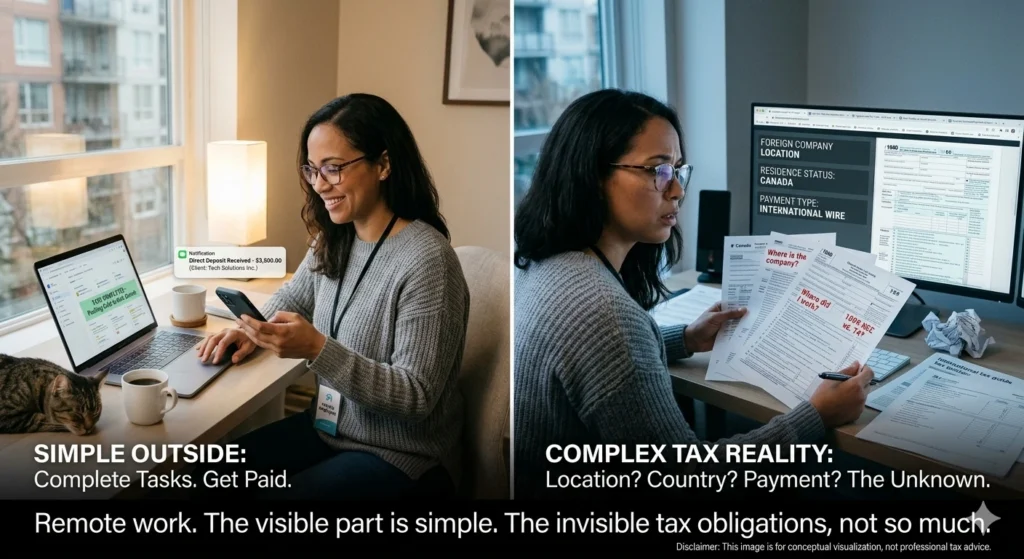
Remote work sounds simple from the outside. You work from home, send tasks online, get paid, and that’s the end of it. Taxes are where things become less obvious. The location of the company, the country where you live, and the way you are paid can all change how tax works.
People who start working online through Remote IT Jobs or other digital roles often realize this later. At first everything feels like normal employment, just done from home. Then tax season arrives and the details start to matter.
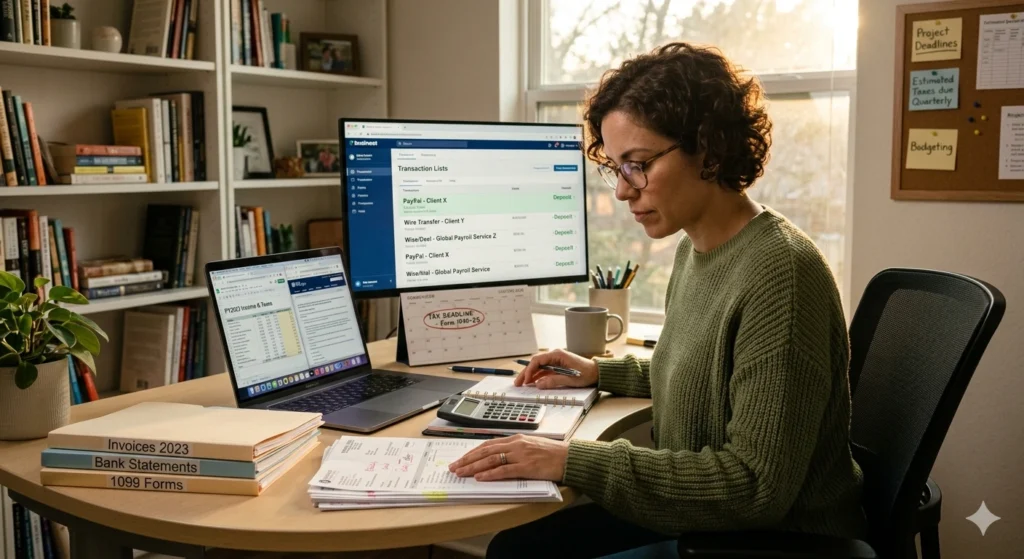
That confusion is the reason many people search for the same question: How do Taxes Work for Remote Jobs. The answer is not identical for everyone because remote work changes the usual rules around location and income.
Table of Contents
How do Taxes Work for Remote Jobs
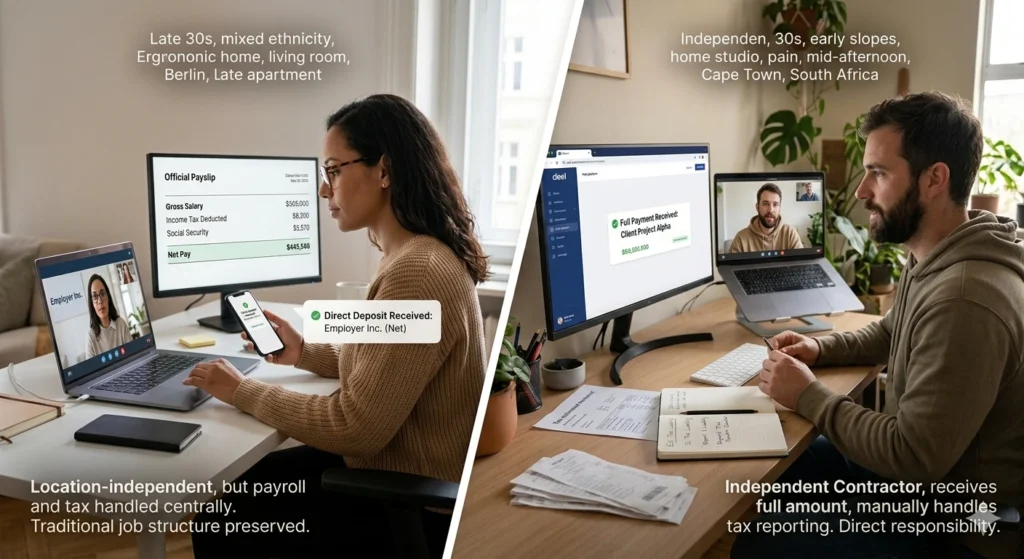
Taxes for remote work depend mainly on three things: where you live, where the employer is based, and whether you are an employee or an independent contractor. These three pieces shape the tax situation more than anything else.
In traditional office jobs the process is straightforward. A company in your country hires you, deducts income tax from your salary, and sends that amount to the government. With remote jobs the structure may shift. Some companies still treat workers as employees. Others pay them as contractors.
That difference affects how income tax is handled.
| Work Type | Who Pays Tax Directly | Typical Process |
|---|---|---|
| Remote employee | Employer handles deductions | Salary arrives after tax |
| Freelancer / contractor | Worker reports income | Taxes paid separately |
| International contractor | Worker reports income locally | Employer usually does not deduct tax |
When someone asks How do Taxes Work for Remote Jobs, the first thing to check is which category their work falls into.
The difference between remote employees and freelancers
Remote workers usually fall into two groups. Employees and freelancers.
Employees still have a traditional job structure. The company handles payroll and deducts income tax according to local regulations. In that case the remote part only changes the location of the desk, not the tax system. Freelancers work differently. They receive full payments and later report that income themselves. This is common for designers, developers, and writers working online.
Some people begin learning digital skills first and then step into freelance work. Questions around career paths appear along the way. For example, beginners sometimes ask whether design skills can start from a single area like can i learn UX without UI before taking on remote work. The job path changes, but taxes follow the income source.
Where you live usually decides your tax
A common misunderstanding appears with international remote jobs. Some workers think they should pay tax in the country where the company operates. In many situations, tax is determined by where you live. Governments usually tax residents on their income regardless of where the employer sits.
That means someone living in Pakistan, India, the US, or Europe may still pay tax locally even if the company paying them is located somewhere else.
A simplified example looks like this.
| Worker Location | Company Location | Tax Usually Paid In |
|---|---|---|
| Pakistan | United States | Pakistan |
| India | United Kingdom | India |
| Germany | Canada | Germany |
The system exists because governments tax residents, not workplaces.
Why international remote work complicates taxes
Things become less straightforward when remote workers travel or move between countries.
If someone lives six months in one country and six months somewhere else, tax residency rules may change. Each government has its own threshold for residency. Another factor involves double taxation agreements. These agreements prevent the same income from being taxed twice by two different countries.
Without those agreements, remote workers could face complicated reporting requirements. This is one reason many digital professionals eventually consult a tax advisor when income grows beyond simple freelance payments.
The role of self-employment taxes
Freelancers and contractors usually deal with self-employment taxes. Instead of an employer deducting taxes automatically, they report their income themselves. Payments may arrive through bank transfers, digital payment platforms, or international payroll services. At the end of the year, the worker calculates total income and reports it to the tax authority.
This setup is common among designers, developers, and digital specialists working online. Some people entering design fields through guides about ui ux designer with no experience end up freelancing first rather than joining a traditional company.
That shift from salary to self-managed income changes how taxes are calculated.
How remote income is usually reported
Reporting remote income is usually not complicated, but it requires careful record keeping.
Workers track payments they receive during the year and categorize them as income from services. Expenses related to the work can sometimes be deducted.
Typical deductible items may include:
| Work Expense | Example |
|---|---|
| Equipment | Laptop or monitor |
| Internet costs | Monthly connection used for work |
| Software | Design tools or coding platforms |
| Workspace costs | Part of rent or utilities in some countries |
These deductions reduce taxable income in some tax systems.
Why some remote workers pay estimated taxes
Freelancers in certain countries pay taxes quarterly instead of once per year.
This happens because governments expect tax payments throughout the year when income is not automatically deducted by an employer.
If a freelancer waits until the end of the year to pay everything, they may face penalties.
Estimated taxes spread the payments across the year, which keeps things predictable for both the worker and the government.
Digital careers and tax awareness
Remote work expanded quickly through technology jobs. Developers, designers, content writers, and support specialists now work across borders. Many of them start with smaller projects before landing full remote roles. As income increases, questions about financial planning appear naturally.
Design professionals especially look at career growth and earnings. Articles discussing how much ui ux salary on average often become part of that research, because salary expectations influence tax planning. Higher income means a higher tax bracket in many countries.
Payment methods used in remote jobs
Remote workers receive payments in several ways depending on the company or client.
| Payment Method | Common Use |
|---|---|
| Bank transfer | Long-term remote employment |
| Digital wallets | Freelance platforms |
| International payroll services | Global companies |
| Payment processors | Contract work |
Each payment method leaves a record of income. That record becomes important when reporting taxes.
Even if a company does not deduct tax directly, the income still counts as taxable earnings in most countries.
Remote employment and salary taxes
When remote workers are officially hired as employees, taxes become simpler. The company processes payroll just like a normal office job. Salary taxes are deducted before payment reaches the employee. The difference is mostly logistical. Work happens at home instead of an office building.
Many professionals searching for ui ux designer jobs now see remote options listed next to traditional office roles. When hired directly by the company, the payroll system usually handles taxes automatically. That structure removes a lot of guesswork.
Why remote tax rules keep evolving
Remote work grew faster than tax policies in many countries. Governments are still adjusting their regulations. Some countries introduced digital nomad visas, which allow foreign remote workers to stay temporarily without becoming full tax residents.
Others updated freelancer tax rules to include online income. The landscape continues to change as remote work becomes normal rather than unusual.
Tax planning for long-term remote careers
People who plan to work remotely for many years often organize their finances differently from traditional employees. They track income carefully, save a portion for taxes, and keep records of work expenses. Remote developers, designers, and website specialists often move into freelance careers over time. Opportunities such as wordpress developer jobs frequently start as freelance contracts before becoming stable remote roles.
That career path means taxes gradually shift from employer-managed deductions to self-reported income. mUnderstanding that shift early prevents surprises later.
Why remote taxes confuse so many people
Remote work blends traditional employment with freelance income models. A person might start as a contractor, later become a full employee, and eventually freelance again. Each stage changes the way taxes are handled.
That is why the question How do Taxes Work for Remote Jobs keeps appearing online. The answer depends on employment structure, tax residency, and payment method. For some workers, the system feels almost identical to a normal office job. For others, it requires tracking invoices, calculating expenses, and reporting income manually.
Remote work offers freedom in location, but taxes still follow the same basic principle: income is taxed where the worker lives or where tax law requires it. Understanding that idea makes the whole system easier to navigate.