
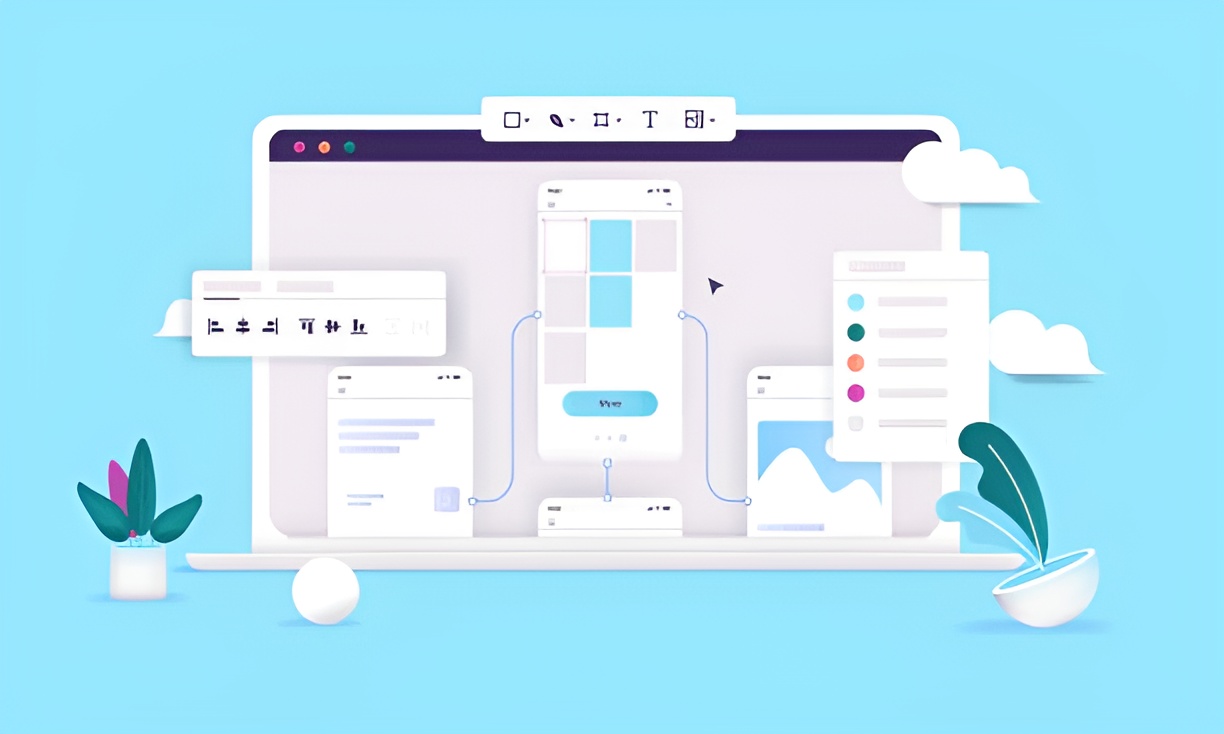
For anyone exploring a tech career, UX design often comes up as a hot option. Many beginners look at Remote IT Jobs and wonder whether they need to know UI first or if they can focus on UX alone. It’s a common question: can someone start a UX career without touching UI, and still be employable? The answer is yes, but it comes with nuances. Well, we can learn Can I Learn UX Without UI?

Understanding the distinction between UX and UI is the first step. UX deals with experiences, user flows, and problem-solving, while UI focuses on visual presentation and interface aesthetics. Confusing the two often leads beginners to believe they must master both simultaneously.
Can I Learn UX Without UI?
Many aspiring designers ask, can i learn ux without ui, because they feel more aligned with research, usability, and strategy rather than colors, fonts, or layouts. It’s entirely possible to build a strong UX foundation without deep UI knowledge. You can specialize in areas like user research, usability testing, and information architecture and still contribute meaningfully to product teams.
UX design emphasizes understanding users’ needs, mapping journeys, and optimizing experiences. While UI knowledge can enhance your versatility, a UX-only focus allows you to excel in analytical and research-driven roles.
What UX Really Involves
UX design is more than making things look pretty. A UX designer focuses on how a user interacts with a product. Key components include:
User Research and Personas
Understanding the target audience is fundamental. UX professionals gather insights through interviews, surveys, and analytics. Personas are created to represent typical users and guide design decisions.
Wireframes and Prototypes
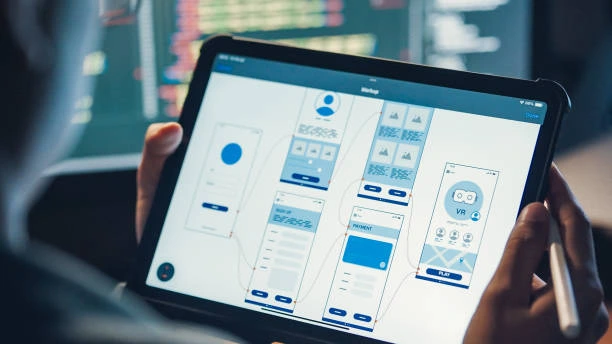
Even without UI skills, you can create wireframes and low-fidelity prototypes to visualize user flows. These tools don’t require advanced visual design but communicate the structure and logic of a product.
Usability Testing
Testing and iterating based on real feedback is central to UX. Observing how users navigate your prototypes, identifying pain points, and suggesting improvements is a skill set independent of visual design.
Beginners often ask <b>can you become a ux designer without degree</b>, and the answer is yes, UX skills are demonstrated through practical work, case studies, and portfolios rather than formal credentials.
Role of UI in UX
UI and UX often overlap, but UI isn’t mandatory for every UX path.
How Visual Design Complements UX
UI knowledge can help UX designers communicate more clearly with developers and product teams. Understanding visual hierarchy, color theory, and typography allows you to create better mockups.
When UI Knowledge is Optional
Many UX-only roles exist, such as UX researcher, usability analyst, or content strategist. In these roles, strong visual skills are a plus but not required. You can excel with robust user research, journey mapping, and data-driven recommendations.
Learning Paths for UX-Only Focus
If your goal is to focus on UX without UI, consider these learning paths:
Recommended Courses and Certifications
- NN/g UX Certification: Focused on usability research and testing.
- Interaction Design Foundation (IDF): Offers UX theory and practice.
- Coursera & edX UX Programs: Many are UX-specific without heavy UI emphasis.
Tools That Are UX-Focused
| Tool | Purpose | UI Requirement |
| Miro | Journey mapping, flowcharts | Minimal |
| Figma (wireframes) | Wireframing and prototyping | Optional for visual design |
| Optimal Workshop | Card sorting, surveys | None |
| UsabilityHub | User testing | None |
These tools let beginners build UX expertise without needing extensive UI skills.
Building UX Skills Without UI
You can strengthen your UX skill set even if visual design isn’t your focus:
Case Studies, User Testing, and Journey Mapping
Documenting UX projects through detailed case studies demonstrates your ability to solve user problems. Conduct usability testing sessions, record insights, and show how your decisions improve the experience.
Documenting UX Work in Portfolios
Portfolios don’t need fancy visuals to impress employers. Highlight research methodology, problem-solving steps, and improvements. For example:
- Research question → methods → findings → recommendations
- Wireframes → test results → iterations
This approach ensures your portfolio reflects strong UX capability.
Career Opportunities for UX-Only Professionals
You don’t need UI expertise to start a UX career. Roles include:
| Role | Focus Area |
| UX Researcher | Conducts user interviews, surveys, and data analysis |
| Usability Specialist | Runs tests and measures usability metrics |
| UX Analyst | Evaluates product performance and provides insights |
| Content Strategist | Organizes and structures product content |
Employers value UX-only skill sets for research and analysis positions. Practical experience and case studies often weigh more than UI ability. Beginners exploring ui ux designer with no experience can start in these UX-only roles, build a foundation, and gradually explore UI if desired.
Combining UX and UI Later
Even if you start UX-focused, learning UI later can enhance your versatility.
Benefits of Adding UI Knowledge Later
- Better collaboration with design teams
- Ability to prototype high-fidelity screens
- Enhanced portfolio for product design roles
How to Gradually Learn UI While Focusing on UX
Start with basics:
- Learn typography, colors, and layout principles.
- Practice designing simple screens.
- Use Figma or Sketch for visual mockups alongside UX projects.
Combining UX and UI skills increases employability and salary potential over time, but it isn’t required to start.
Conclusion
So, can i learn ux without ui? Absolutely. UX-focused professionals can build meaningful careers centered on research, usability, and user-centered problem-solving. You don’t need fancy visual design skills to start. The key is:
- Master user research, testing, and journey mapping
- Document your work through detailed case studies
- Start with UX tools that don’t require UI expertise
- Consider adding UI skills gradually for broader opportunities
Starting as a UX-only professional allows you to enter the field faster and focus on what truly interests you. From there, you can decide whether to branch into UI or continue specialising in research-driven design. A strong UX foundation can lead to roles in research, analysis, strategy, and eventually product design. Passion, practical experience, and a well-documented portfolio matter more than design aesthetics alone.